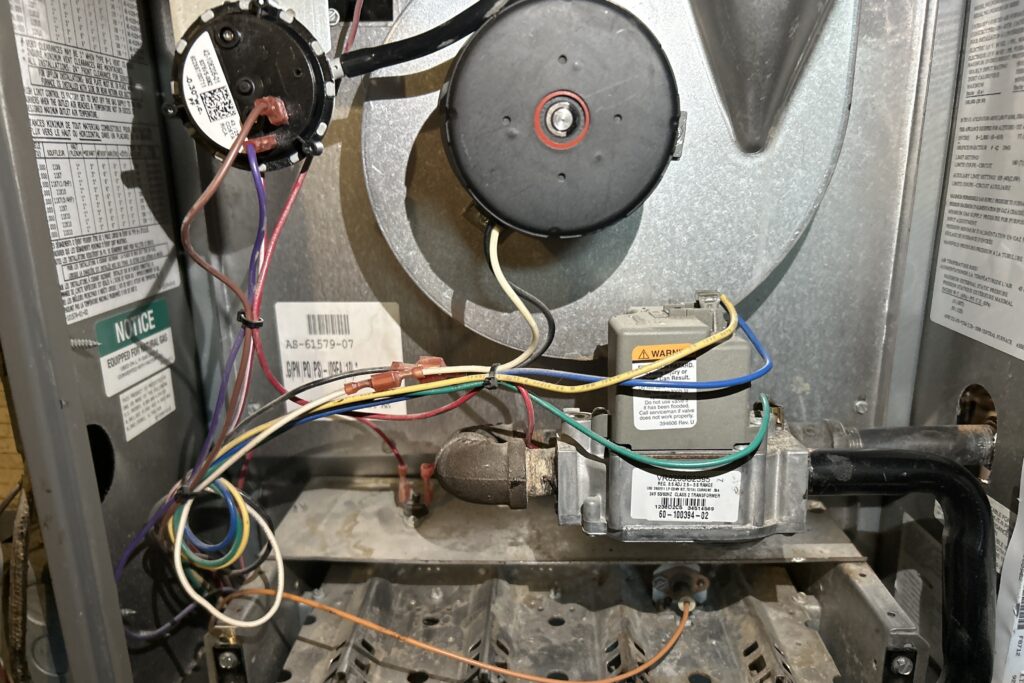
A furnace problem becomes more urgent when the system can no longer provide dependable heat, repeatedly shuts itself down, or shows signs that normal operation may not be safe.
For homeowners on Long Island and in Rockland County, those problems matter most during sustained winter cold, when losing heat can quickly affect the rest of the home.
Not every furnace noise or temperature change is an emergency. The useful question is whether the furnace is still operating normally and safely or whether a clear change means it needs professional attention.
When is a furnace problem an emergency?
A furnace problem deserves faster attention when normal heat is gone, the system repeatedly fails to stay running, or there is a possible combustion or electrical safety concern.
A practical way to think about urgency is:
- Safety emergency: carbon monoxide alarm, smoke, fire, visible arcing, or another immediate hazard.
- Urgent furnace problem: no heat during cold weather, repeated shutdowns, short cycling, or a sudden major change in system operation.
- Routine service issue: a smaller performance change with no immediate safety concern and normal heat still available.
That distinction helps you respond proportionally instead of treating every furnace symptom the same way.
Is complete loss of heat an emergency warning sign?
Complete loss of heat can become an urgent furnace problem during cold weather, especially when indoor temperatures are dropping and there is no safe alternative heat source.
Start with a few simple checks that do not require opening the furnace cabinet:
- Confirm the thermostat is set to heat.
- Check whether the thermostat has power.
- See whether the furnace switch has been turned off accidentally.
- Check the electrical panel for a tripped breaker.
- Look at an accessible filter if you know how to inspect it safely.
If those basic checks do not restore normal operation, avoid repeated resets or improvised repairs.
Universe offers 24/7 emergency heating service because HVAC issues don’t just happen during business hours
Why does short cycling deserve attention?
Short cycling means the furnace turns on and off more frequently than expected instead of completing normal heating cycles.
That behavior can have several possible causes, and a homeowner usually cannot identify the root problem from cycling alone. The important point is that repeated short cycling is a change in normal furnace behavior and should not be ignored.
If the furnace continues starting and stopping, note:
- how often it happens;
- whether the home still reaches the thermostat setting;
- whether any unusual sound or smell appears;
- whether the problem began suddenly or gradually.
That information can help a technician diagnose the issue without requiring you to take the equipment apart.
What does cool air from the vents mean?
Cool or barely warm air when the furnace should be heating means the system is not delivering the result you expect.
That does not automatically identify a particular failed part. The problem could involve furnace operation, controls, airflow, or another part of the heating system.
First, confirm that the thermostat is actually calling for heat and that you are not feeling air during a brief transition between cycles.
If the furnace continues running without delivering normal heat, or if the indoor temperature keeps falling, it is reasonable to schedule professional diagnosis rather than repeatedly changing thermostat settings.
A furnace that is technically “running” is not operating normally if it cannot provide usable heat.
Which furnace noises should you not ignore?
A new, persistent, or unusually loud furnace sound deserves attention when it represents a clear change from normal operation.
Different systems make normal startup, airflow, and shutdown sounds, so the goal is not to diagnose a furnace by sound alone.
Instead, pay attention when the noise:
- begins suddenly;
- repeats on every cycle;
- grows louder;
- occurs with poor heating;
- occurs with repeated shutdowns;
- sounds electrical or accompanies a burning odor.
If a new sound occurs with smoke, visible sparking, or another obvious hazard, stop treating it as a routine repair symptom and follow immediate safety precautions.
What should you do if a carbon monoxide alarm sounds?
A carbon monoxide alarm is a safety emergency, not a furnace troubleshooting step.
Home occupants should move outside to fresh air immediately and call emergency services or 911. Do not search the home for the source of carbon monoxide, and do not return until emergency responders say it is safe. If a malfunctioning fuel-burning appliance is identified, it should not be operated again until properly serviced.
Annual professional inspection of fuel-burning heating systems is also recommended, including furnaces, along with working carbon monoxide alarms on every level of the home and outside sleeping areas.
A CO alarm should never be treated as something to monitor for another day.
When do repeated furnace problems point to a bigger decision?
A furnace that needs repeated attention may eventually require a repair-versus-replacement conversation, but one symptom alone does not determine that decision.
Useful factors include:
- what failed;
- whether the current problem is isolated or recurring;
- the condition of the overall system;
- repair cost;
- system age;
- whether the furnace can continue operating safely and reliably.
What should Long Island and Rockland County homeowners watch for before the next cold spell?
Pay attention to changes before the furnace stops completely.
A useful pre-winter or mid-season check is simple:
- Does the furnace start when the thermostat calls for heat?
- Does it stay on long enough to complete a normal heating cycle?
- Is warm air reaching the home as expected?
- Are there any new sounds or odors?
- Have smoke and carbon monoxide alarms been tested?
- Has the furnace needed repeated resets or service recently?
If a furnace has stopped heating, keeps shutting down, or shows another significant warning sign, schedule service with Universe rather than waiting for the system to fail completely.
Frequently Asked Questions
What are the most important emergency furnace repair warning signs?
Important furnace warning signs include complete loss of heat, repeated shutdowns, short cycling, unusual new noises, cool air when the system should be heating, and failure to start normally. A carbon monoxide alarm, smoke, or fire should be treated as a safety emergency first.
Is no heat from my furnace an emergency?
No heat from a furnace can become urgent during cold winter conditions, especially when indoor temperatures are falling and no safe backup heat is available.
Check the thermostat, furnace switch, and breaker if you can do so safely. If normal operation does not return, professional diagnosis is appropriate rather than repeated resets.
Why does my furnace keep turning on and off?
A furnace that repeatedly starts and stops may be short cycling. Short cycling can have more than one cause, so the cycling pattern alone does not identify the failed component.
Should I worry about unusual furnace noises?
A new or persistent furnace noise deserves attention when it represents a clear change from normal operation. If the noise occurs with smoke, sparking, or another immediate hazard, stop treating the issue as routine service and address safety first.
Why is my furnace blowing cool air?
A furnace blowing cool air may mean the system is not providing normal heat, but the symptom alone does not identify the cause. Confirm that the thermostat is calling for heat. If cool airflow continues and the home is not warming normally, schedule professional diagnosis rather than repeatedly changing settings.
What should I do if my carbon monoxide alarm sounds?
A sounding carbon monoxide alarm requires immediate safety action. CPSC advises occupants to move outside to fresh air and call 911 or emergency services. Do not search the home for the source or operate a malfunctioning fuel-burning appliance again until trained personnel have serviced it.
How often should a fuel-burning furnace be inspected?
CPSC recommends a yearly professional inspection of fuel-burning home heating systems, including furnaces, boilers, fireplaces, water heaters, chimneys, flues, and vents.
Annual inspection does not guarantee that a furnace will never fail, but it can identify maintenance or safety concerns before heavy winter use.
Does Universe offer emergency furnace repair?
Universe offers 24/7 emergency heating & cooling services.