An AC running constantly in hot weather can be normal for short stretches, but it should still make your home feel cooler and less humid. If the system runs all day and never catches up, something may be limiting performance.
On Long Island, humid summers and heat waves can make cooling problems show up quickly.
You know your home. If it feels warm, sticky, or uneven while the AC keeps running, start with the safe checks below. If those do not help, schedule AC repair on Long Island so a technician can find the cause.
Is it normal for AC to run continuously in summer?
An AC may run continuously during extreme heat, but it should still cool the home steadily. Constant operation becomes a concern when the home stays warm, humid, uneven, or the thermostat setting is never reached.
A few things can make long cycles more likely:
- High outdoor heat
- Humid Long Island weather
- Direct sun through windows
- Older ductwork
- Poor attic insulation
- Blocked airflow
- A system that is aging or undersized
Older Nassau and Suffolk homes may also have additions, older duct runs, or tight mechanical spaces. Coastal air and salt exposure can add wear to outdoor equipment in some Long Island areas. Universe’s AC repair page notes that outdoor units across Long Island deal with salt air and months of continuous operation.
Schedule AC maintenance now before summer heat hits
What are the common causes of AC running all day?
The most common causes of AC running all day include restricted airflow, dirty filters, dirty coils, thermostat issues, refrigerant problems, duct concerns, poor insulation, or equipment that is aging or undersized.
Start with airflow. If air cannot move through the system, the AC may run longer without making the home feel better.
Common causes include:
- Dirty filter — Air cannot move well through a clogged filter.
- Blocked vents or returns — Furniture, rugs, or curtains can restrict airflow.
- Dirty outdoor unit — Leaves, grass, or debris can make heat release harder.
- Thermostat problem — Bad placement or wrong settings can extend run time.
- Refrigerant or coil issue — These require professional diagnosis.
- Duct leaks or poor airflow balance — Some rooms may never cool evenly.
- Aging system — Older systems may run longer and still struggle.
In short, constant running is a symptom. The cause may be simple, but it should not be guessed.
What signs mean your HVAC system needs attention?
Your HVAC system needs attention when constant running comes with warm air, weak airflow, short cycling, water leaks, strange noises, or a system that will not turn on.
Watch for:
- Warm air from vents
- Weak airflow
- Rooms that stay warmer than others
- AC running all day without reaching the set temperature
- Short cycling
- Water near indoor equipment
- New buzzing, rattling, or grinding sounds
- Breaker trips
- Higher utility use without a clear reason
Bottom line: if the system is working harder but your comfort is getting worse, it is time to look closer.
What can you safely check before calling?
You can safely check the thermostat, filter, vents, breaker position, and outdoor-unit clearance before calling. Leave refrigerant, electrical testing, sealed panels, and internal components to a trained HVAC technician.
Use this safe checklist:
- Check the thermostat. Make sure it is set to cool and the schedule is correct.
- Replace a dirty filter. Use the correct size and type.
- Open vents and returns. Move furniture, rugs, and curtains away.
- Check the breaker once. If it trips again, stop and call.
- Clear the outdoor unit. Remove leaves, grass clippings, and debris nearby.
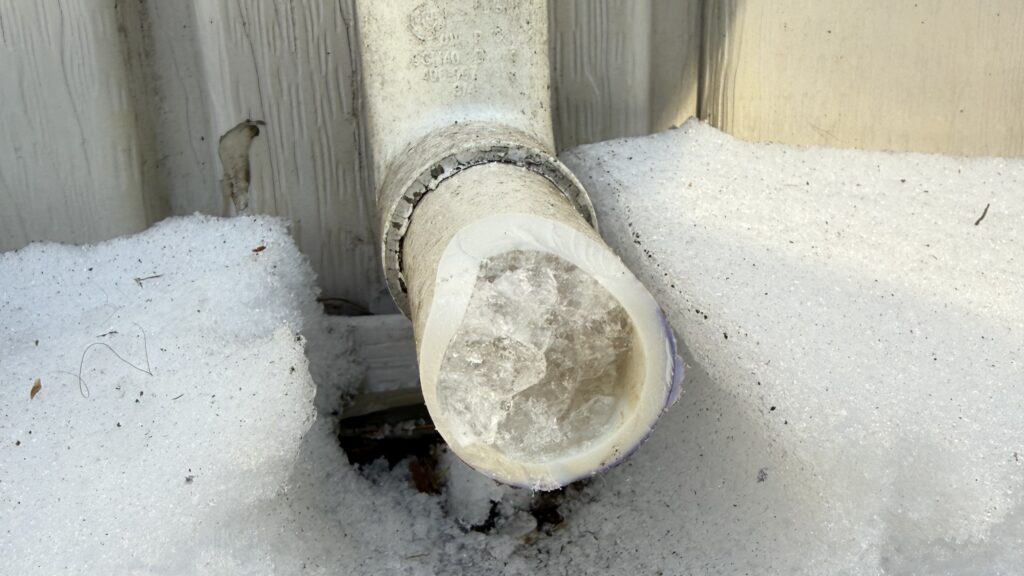
Safety note: do not open equipment panels, handle refrigerant, or keep resetting a breaker. If you smell burning, see ice, find water near the indoor unit, or hear loud electrical buzzing, stop at the safe checks. Universe offers 24/7 emergency AC service.
How can maintenance improve AC efficiency during extreme heat?
AC maintenance can improve performance by checking airflow, system operation, electrical components, condensate drainage, filter condition, and outdoor-unit condition before peak demand.
Routine maintenance can help improve unit efficiency, reduce energy bills, repair minor issues before they become more costly problems, and keep the home more comfortable.
Maintenance can help identify:
- Dirty coils
- Weak electrical parts
- Drainage problems
- Airflow restrictions
- Loose connections
- Thermostat issues
- Outdoor-unit debris
- Signs of wear before a breakdown
Maintenance now could prevent a bigger problem later. AC maintenance is the right next step if your system is still cooling but seems to be working harder than usual. Universe’s Home Comfort Club membership plan can help keep routine maintenance on track.
When should you repair vs. replace?
AC repair often makes sense when the issue is isolated and the system is otherwise reliable. AC replacement becomes worth discussing when the AC is older, repairs are frequent, comfort stays uneven, or the system no longer fits the home’s cooling needs.
Repair may fit when the issue is:
- A thermostat problem
- A dirty or clogged component
- A capacitor issue
- A condensate drain concern
- A targeted electrical repair
- A blower or airflow component
Replacement may be worth discussing when:
- Repairs keep returning
- The system struggles every summer
- Rooms stay uneven after maintenance
- Major parts are failing
- The system is poorly sized for the home
- The system no longer matches the home’s comfort needs
Universe assesses home size, layout, insulation, and other factors when recommending the right air conditioning equipment size.
For older Long Island homes, that matters. A coastal home, a renovated home with additions, and an older suburban home may all have different cooling needs.
What affects HVAC costs in New York and Long Island?
HVAC costs in New York and on Long Island depend on service scope, system age, equipment size, access, efficiency level, ductwork, electrical needs, and whether the work is maintenance, repair, or replacement.
Common cost drivers include:
- Type of service: maintenance, repair, or replacement.
- Access: attic, basement, crawl space, or tight utility closet.
- Parts involved: thermostat, capacitor, motor, coil, compressor, or controls.
- System condition: age, repair history, and wear.
- Home layout: duct length, additions, insulation, and room balance.
- Efficiency goals: basic repair versus equipment upgrade.
Long Island homes can bring local variables, including older ductwork, coastal exposure, and tight equipment locations. Long Island homes have a wide range of comfort needs, including converted attics, finished basements, additions, and older homes without ductwork.
What should you do if your AC will not shut off?
If your AC will not shut off and your home still feels uncomfortable, start with safe checks and then schedule professional AC service.
To recap:
- Check the thermostat.
- Replace a dirty filter.
- Open blocked vents and returns.
- Clear the outdoor unit.
- Stop if you notice water, ice, burning smells, loud buzzing, or repeat breaker trips.
- Schedule service if the system still runs constantly.
If the AC is already struggling, do not wait for the next humid night. Schedule service with Universe so a technician can check the system, explain the cause, and help you choose the next step.
Schedule AC service now before peak summer demand hits
Frequently Asked Questions
Is it normal for AC to run continuously in summer?
An AC can run continuously during short periods of extreme summer heat, but it should still cool the home steadily. If the system runs all day and the temperature barely changes, airflow, coils, refrigerant performance, ducts, thermostat placement, or equipment condition may need attention.
Why won’t my air conditioner shut off?
An air conditioner may not shut off because it cannot reach the thermostat setting, senses extra heat near the thermostat, or has a performance issue. The cause may involve airflow, coils, refrigerant, ducts, thermostat controls, or system condition.
How do I stop my AC from running constantly?
To stop an AC from running constantly, start with safe checks: replace a dirty filter, open blocked vents, confirm thermostat settings, and clear debris around the outdoor unit. If those steps do not help, schedule service because internal AC diagnostics require a trained technician.
What are signs my AC is overworking?
Signs your AC is overworking include nonstop operation, warm air, weak airflow, short cycling, water leaks, new noises, or rooms that will not cool evenly.
Should I repair or replace an AC that runs all day?
Repair may make sense when an AC runs all day because of one fixable issue, such as a thermostat, capacitor, airflow, or maintenance problem. Replacement may be worth discussing when repairs repeat, comfort stays uneven, or the system no longer fits the home’s cooling needs.