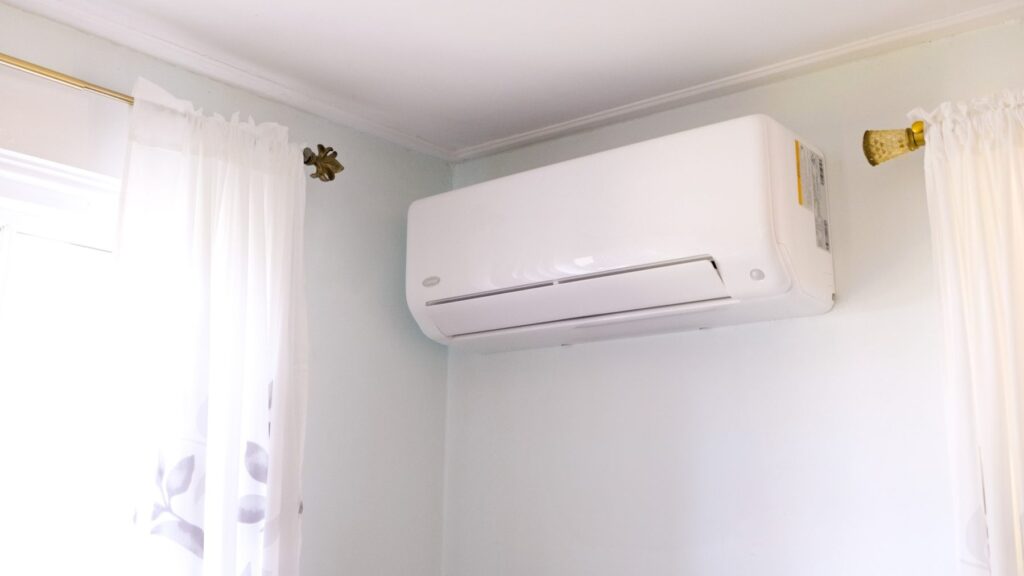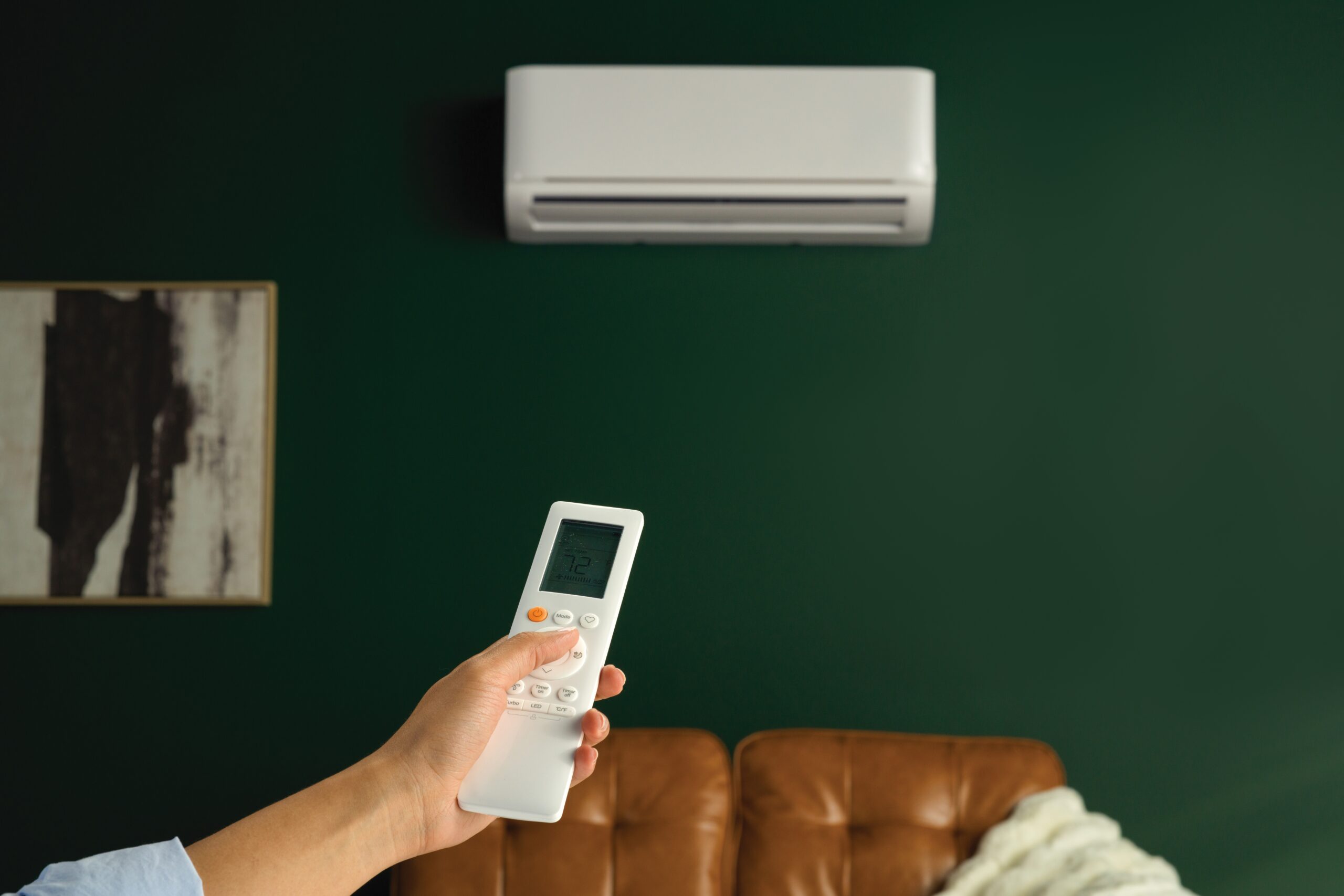
A ductless mini split can cool a home without traditional supply and return ducts. Many systems are heat pumps, so they can also provide heating.
A typical mini-split uses:
- One outdoor unit
- One or more indoor units
- Refrigerant lines
- Electrical connections
- Condensate drainage
- Zone controls
Ductless systems may fit older homes, additions, finished basements, converted garages, apartments, and rooms that are difficult to connect to central ducts.
How does a ductless mini split work?
A mini split transfers heat between an outdoor unit and one or more indoor units.
In summer, the system moves heat out of the room. In heating mode, a mini split heat pump transfers heat into the home.
Because each indoor unit serves a room or zone, a ductless system can provide separate temperature control in different areas.
Universe installs, replaces, repairs, and maintains ductless mini split systems across Long Island & Rockland County
Which homes may benefit from ductless cooling?
Ductless cooling may fit:
- Boiler-heated homes without cooling ducts
- Older Cape, ranch, and split-level homes
- Finished basements
- Attic bedrooms
- Additions
- Home offices
- Rooms that stay warmer than the rest of the home
The system still needs to be selected for the room load, electrical system, drainage, and winter conditions.
What are the main benefits?
Potential benefits include:
- No traditional duct installation
- Separate room or zone control
- Cooling and heating with a heat-pump model
- Flexible use in additions and older homes
- Direct delivery of conditioned air to each zone
Actual comfort and energy use depend on correct design, installation, insulation, weather, and household settings.
How does ductless compare with central air?
Central air usually distributes cooled air through ducts. Ductless systems use visible indoor units mounted in individual rooms or zones.
Central air may fit homes with good existing ducts. Ductless may be more practical when ducts are missing or when rooms need different settings.
What does installation involve?
Ductless installation may include:
- A room-by-room load review
- Indoor unit placement
- Outdoor unit placement
- Electrical work
- Refrigerant line routing
- Condensate drainage
- Permit review
- Startup and testing
Ask for a written proposal that identifies the equipment, number of zones, electrical scope, drainage, controls, permits, testing, warranties, and exclusions.
What affects installation cost?
Ductless installation cost depends on:
- Number of indoor zones
- Equipment capacity
- Efficiency and cold weather ratings
- Electrical panel capacity
- Line-set length
- Indoor unit style
- Drainage
- Outdoor mounting
- Access
- Permit requirements
A site evaluation is needed for a useful estimate.
What’s the next step?
Identify the rooms that need heating or cooling, then request an evaluation of:
- Room load
- Electrical capacity
- Indoor-unit placement
- Outdoor-unit placement
- Drainage
- Winter heating needs
- Project cost
Schedule service with Universe to learn more about installing a ductless mini split system in your New York home
Frequently Asked Questions
What is a ductless mini split?
A ductless mini split is a heating and cooling system that connects one outdoor unit to one or more indoor units without traditional supply and return ducts. Each indoor unit serves a room or zone.
Can a ductless mini split cool a whole house?
A ductless mini split can cool a whole house when the system is designed with enough indoor units, suitable placement, and adequate capacity. Closed rooms, multiple floors, and complex layouts may require additional zones.
Do ductless mini splits provide heating?
Many ductless mini splits are heat pumps that provide both heating and cooling. Heating capacity during cold weather should be verified for the specific equipment and home.
Are mini splits good for older New York homes?
Mini splits can be a practical option for older New York homes without usable ducts. Electrical capacity, insulation, room loads, equipment placement, drainage, and winter heating requirements still need professional review.
How does a mini split compare with central air?
A mini split uses individual indoor units without traditional ducts, while central air commonly distributes cooled air through ducts. The better fit depends on the home’s existing systems, layout, zoning needs, and installation scope.
What affects ductless mini split installation cost?
Ductless mini split installation cost depends on the number of zones, equipment capacity, efficiency, electrical work, line routing, drainage, mounting, access, permits, and testing. A home evaluation is needed for a useful estimate.
Can homeowners install a ductless mini split themselves?
Ductless mini split installation usually requires professional electrical work, refrigerant handling, drainage, structural mounting, commissioning, and code compliance. Homeowners should not open electrical or refrigerant components.
How often does a mini split need maintenance?
Mini split maintenance frequency should follow the manufacturer’s instructions and the system’s use. Homeowners may clean accessible filters as directed, while professional service can review drainage, coils, electrical connections, controls, and performance.