A sump pump is one of the main systems that helps protect a basement or crawl space during heavy rain. Spring is the right time to check it, because a pump that sits quietly all winter can develop problems you don’t notice until water starts rising. For Long Island homeowners, that matters even more in Nassau and Suffolk homes with older foundations, lower-level storage areas, or moisture-prone basements.
A broken or malfunctioning sump pump can leave a Long Island home at risk of flooding, especially during spring when heavy rains are common. Universe offers same-day sump pump repair and installation service to better protect your home from water damage and keep your sump pump ready for spring rain.
Why should you check a sump pump before spring rain starts?
You should check a sump pump before spring rain starts because that is when groundwater and stormwater pressure can rise quickly around the home. Heavy rain can saturate soil and cause groundwater to enter a basement through a sump pit. Sump pumps work best in homes that experience flooding caused by rain.
On Long Island, shoulder-season storms and damp spring weather can expose problems fast. Older suburban homes, finished basements, and coastal moisture in some areas can make water management more important than homeowners expect. That does not mean every home will flood. It does mean spring is the smart time to confirm that the pump still works before the next hard rain.
How do you test a sump pump before storm season?
The simplest homeowner test is to make sure the pit is clear, confirm the unit has power, and then slowly add water to the basin to see whether the float rises and the pump turns on. Universe encourages homeowners to test the pump between storms to catch problems before they get worse.
A basic spring test usually includes:
- checking that the outlet and power source are active
- making sure the float can move freely
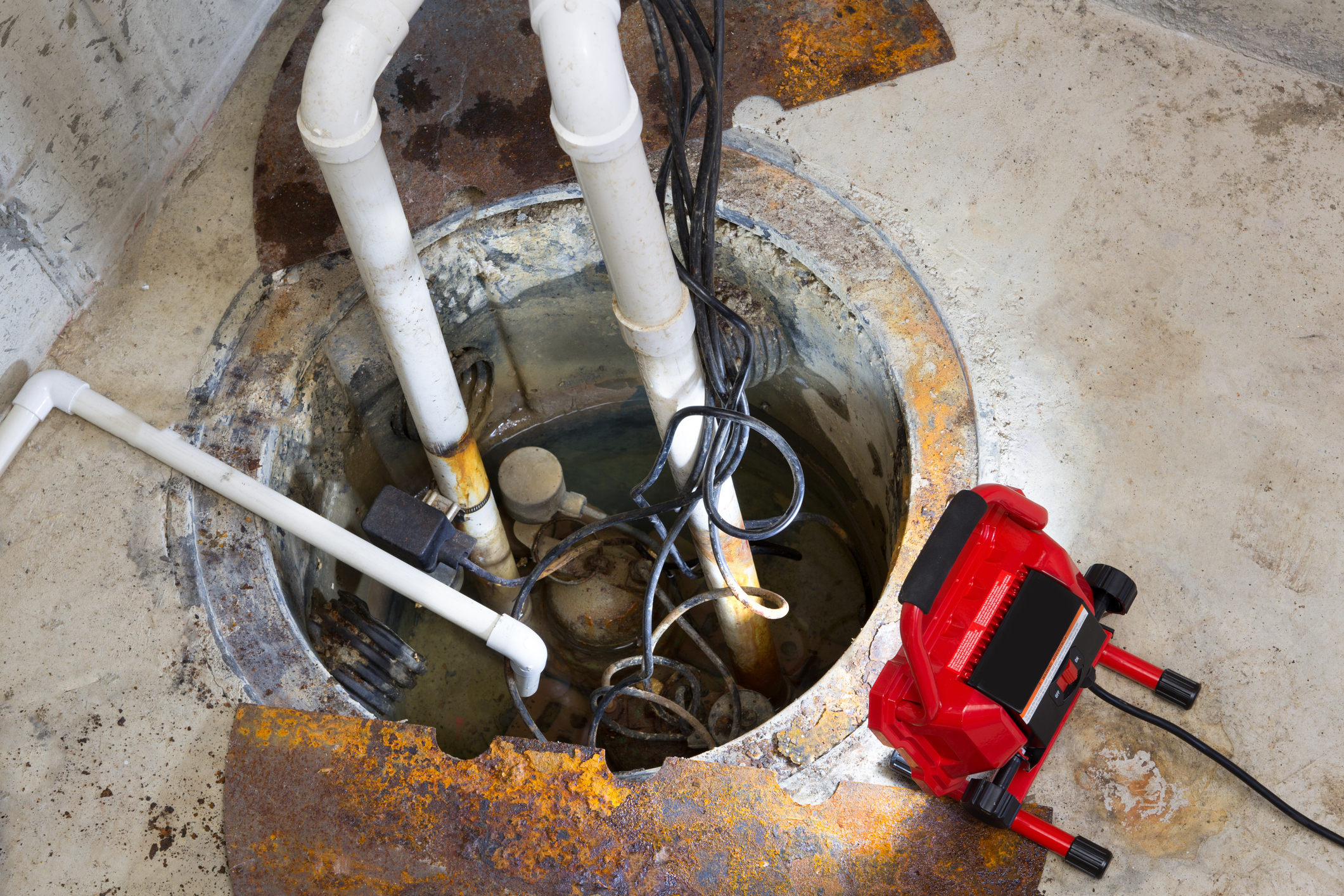
- clearing visible debris from the pit
- listening for grinding, rattling, or strained motor noise
- confirming the pump turns on and discharges water properly
Stones and debris can get into a sump pit and should be removed. A backup battery or generator can keep your sump pump operating during power outages.
What should be on a spring sump pump checklist?
A spring sump pump checklist should focus on safe operation, a clean pit, normal cycling, and backup planning. In short, you want to know the pump will switch on when water rises and keep moving water away from the house.
A practical checklist for homeowners includes:
- inspect the sump pit for debris
- check the pump cord and power connection
- test the float and switch
- listen for unusual motor noise or vibration
- confirm discharge is moving water away from the home
- look for rust, corrosion, or visible wear
- think about backup power if outages are a concern
That checklist is especially helpful before a rainy stretch. A pump can look fine at a glance but still fail when the switch sticks, the pit is clogged, or the motor struggles under load.
If your sump pump has not been tested in a while, this is a good time to compare your options with the Long Island plumbing team at Universe before spring rain turns into a cleanup problem. Schedule a visit now.
How can a sump pump help reduce basement flood risk?
A sump pump helps reduce basement flood risk by collecting and pumping out water before it builds up around the lower level of the home. FEMA says sump pumps direct groundwater away from the home through drainage pipes and work best in homes that experience flooding caused by rain.
That protection is important, but it is not absolute. A sump pump can still be overwhelmed by severe conditions, lose power, clog, or fail mechanically. That is why testing, maintenance, and backup planning matter.
What signs mean a sump pump needs attention?
A sump pump may need attention if it vibrates heavily, makes unusual noise, cycles at odd times, fails to start, runs constantly, or shows visible signs of wear. Universe’s sump pump repair page lists excessive vibrating, infrequent use without testing, and motor problems as warning signs homeowners should not ignore.
Other red flags include:
- the pump does not turn on during a water test
- the float looks stuck
- the pit smells musty or looks dirty
- water drains slowly from the basin
- the basement has had near-miss moisture issues before storms
Safety note — if the basement has standing water near electrical equipment, treat that as a safety issue first and use professional help as needed. Universe offers 24/7 emergency electrical service.
What sump pump cost factors matter on Long Island?
Sump pump costs depend on the type of work, the pump style, the condition of the pit and discharge setup, accessibility, and whether the job is repair, maintenance, or full replacement. Older Long Island homes can add complexity because of basement layouts, access limitations, older drainage conditions, or corrosion in damp environments.
- Inspection / maintenance: depends on visit scope and findings
- Repair: depends on the failed part, motor condition, switch issues, clogs, and access
- Replacement: depends on pump type, installation conditions, backup options, and discharge work
Universe’s licensed plumbers will explain the problem, present options, and give homeowner’s an estimate before work begins.
When does repair make sense, and when is replacement the better call?
Repair often makes sense when the issue is limited and the pump is otherwise in solid condition.
Replacement becomes a stronger option when:
- the motor is failing
- the pump does not perform reliably under testing
- corrosion is significant
- the system has recurring trouble during storm season
Spring is a practical time to compare both paths before a weather emergency pushes the decision.
When should you call a professional on Long Island to get your sump pump ready for spring rain?
You should call a professional on Long Island when the sump pump fails a water test, makes unusual noise, cycles incorrectly, shows corrosion, or leaves you unsure whether the system will hold up in a storm. That’s where the pros at Universe come in.
Schedule service with Universe before the next stretch of spring rain puts your basement protection to the test.
Frequently Asked Questions
How do I know if my sump pump is ready for spring rain on Long Island?
A sump pump is ready for spring rain when it turns on during testing, drains water properly, and shows no warning signs like odd noise, stuck cycling, or visible corrosion. Long Island homeowners should check the pit, power source, and float before the wettest stretch of spring. It’s also recommended to test the pump between storms.
How do you test a sump pump before storm season?
Testing a sump pump before storm season usually means checking the pit, confirming power, and adding water to see whether the float rises and the pump activates. The goal is to confirm that the unit turns on, moves water out, and shuts off normally. Debris should also be cleared from the pit.
What are the signs a sump pump is failing?
Signs a sump pump is failing include excessive vibration, motor trouble, unusual noise, failure to turn on, and irregular cycling. Excessive vibrating, infrequent use without testing, and motor problems are among the warning signs homeowners should watch for.
Should I repair or replace a sump pump?
Repairing a sump pump often makes sense when the issue is limited and the unit still performs well overall. Replacing a sump pump is usually the stronger option when the motor is unreliable, corrosion is significant, or the system repeatedly struggles during storm season.
When should I call a plumber for a sump pump problem on Long Island?
Long Island homeowners should call a plumber for a sump pump problem when the pump fails a test, makes unusual noise, cycles incorrectly, or leaves the basement at risk before a storm. Spring is the ideal time to act before heavy rain puts the system under pressure.