

A good summer plan starts before the first humid week. Long Island homes can put heavy demand on HVAC, plumbing, and electrical systems once air conditioning, outdoor water use, dehumidifiers, and more devices run at the same time. Universe Home Services serves Nassau and Suffolk Counties with HVAC, plumbing, and electrical services.
This HVAC summer maintenance checklist gives you safe checks to do now and clear signs that it is time to call a pro.
What should homeowners check before peak season?
Homeowners should check the HVAC filter, thermostat, airflow, outdoor AC area, and visible system condition before peak summer heat. ENERGY STAR recommends annual preseason cooling checkups in spring before contractors get busy in summer.
Start with the basics. Check the air filter and replace it if it looks dirty. Make sure supply and return vents are open and not blocked by furniture, rugs, or storage. Test the thermostat in cooling mode before the first stretch of high humidity.
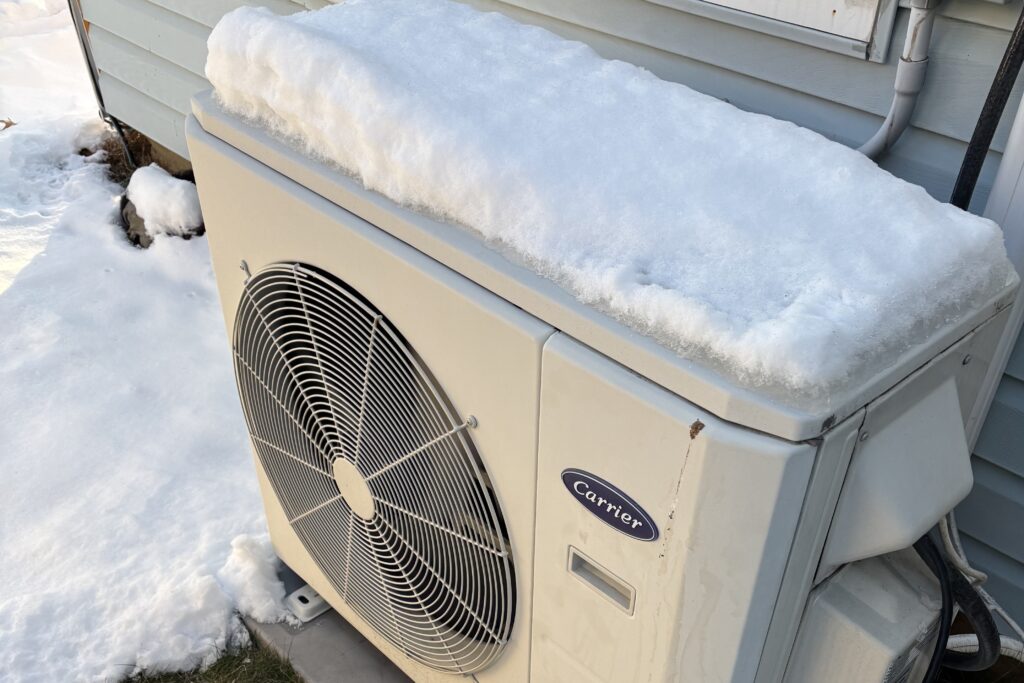
Outside, clear leaves, grass, and clutter from around the outdoor unit. Do not remove panels or reach into equipment. Just give the system room to breathe.
For Long Island homes near coastal air, outdoor equipment may also face salt exposure over time.
Schedule a seasonal tune-up now before summer demand fills the schedule
What signs mean your HVAC system needs attention?
Your HVAC system needs attention when cooling feels weak, airflow drops, noises change, odors appear, or the system runs longer than normal. Regular AC maintenance covers filters, coils, fins, and refrigerant lines. Neglected maintenance can reduce performance and increase energy use.
Watch for these signs:
- Warm air from vents
- Weak airflow in one or more rooms
- Short cycling, or turning on and off often
- New rattling, buzzing, or grinding sounds
- Musty odors when cooling starts
- Water around indoor equipment
- Higher energy use without a clear reason
A small symptom is not always a major repair. But it is worth checking before a heat wave. Older suburban homes across Nassau and Suffolk Counties may also have older ductwork, older electrical panels, or additions that changed the home’s cooling needs over time.
What can you safely check before calling?
You can safely check filters, thermostat settings, vents, outdoor clearance, drain visibility, and recent system behavior before calling. You should not open sealed equipment, handle refrigerant, or work inside electrical panels.
Here’s what you can do:
- Replace or check the air filter.
- Confirm the thermostat is set to cooling.
- Make sure vents are open and unblocked.
- Clear loose debris around the outdoor unit.
- Look for water near indoor HVAC equipment.
- Note which rooms feel warm or humid.
- Write down any sounds, odors, or breaker trips.
These notes help the technician understand what changed. They also help you avoid guesswork.
Quick reminder: if the AC is running but not cooling well, do not keep lowering the thermostat. That can make the system run longer without solving the cause.
What plumbing and electrical checks belong on a summer home checklist?
A summer home checklist should include:
- outdoor hose connections
- visible plumbing leaks
- drains
- sump areas
- outdoor outlets and cords
- breaker behavior
Summer is not only an HVAC season. It is also when outdoor water use, storms, pool equipment, and extra cooling loads can show stress in the home.
For plumbing specifically, check hose bibs, sprinkler zones, laundry areas, and basement drains. Look for wet spots, drips, or musty smells.
For electrical, check that outdoor outlets have proper covers and stop using cords that are frayed, hot, or damaged.
Call a professional if breakers trip repeatedly, outlets feel warm, lights dim when equipment starts, or water appears near electrical equipment. Those are not DIY checks. Universe offers 24/7 emergency AC, emergency plumbing, and emergency electrical service.
When should you repair vs replace?
Repair may make sense when the issue is isolated, the system is otherwise reliable, and the fix restores safe operation. Replacement may make more sense when repairs are frequent, comfort is uneven, efficiency is poor, or the system can no longer meet the home’s needs.
AC repair could involve a part, drain issue, control problem, airflow issue, or refrigerant-related concern. For AC replacement, the decision should account for system age, repair history, home size, duct condition, electrical capacity, comfort goals, and future needs.
Long Island replacement work may involve local home realities such as older ductwork, oil heat in many homes, and electrical panels that were not designed for modern equipment loads.
Bottom line—do not decide from one symptom. Ask for a clear diagnosis and compare repair and replacement options with the Universe team.
What affects HVAC cost in New York and Long Island?
HVAC cost depends on system type, equipment size, ductwork, electrical needs, access, efficiency level, and whether the job includes repair, maintenance, or replacement. Long Island homes vary widely, from older houses with tight mechanical spaces to updated homes with newer comfort systems.
Common cost drivers include:
- Equipment condition
- Cooling capacity needs
- Ductwork condition
- Electrical panel capacity
- Indoor air quality add-ons
- Thermostat or zoning needs
- Access to indoor and outdoor equipment
- Local code and permit requirements when applicable
Do not rely on a single flat price without a home evaluation. A right-sized recommendation is safer and more useful.
Are rebates or financing available?
Rebates or financing may be available depending on the equipment, utility program, eligibility rules, and current offer status. PSEG Long Island lists 2026 rebate requirements for eligible equipment and notes specific requirements for PSEG Long Island residential customers in some programs.
For HVAC upgrades, always verify the exact equipment, contractor requirements, application timing, and customer eligibility before quoting a rebate. Do not assume rebate amounts.
Universe offers financing options for both installations and service work.
How do Long Island homeowners get ready before summer heat?
Long Island homeowners get ready by checking the simple items early, then scheduling service when symptoms point beyond DIY. That means filters, airflow, thermostat settings, outdoor AC clearance, visible leaks, outdoor outlet safety, and breaker behavior.
If your AC feels weak, plumbing shows signs of summer use, or electrical loads are changing, schedule service with Universe. A local technician can help you sort out what needs attention now and what can be planned next.
Frequently Asked Questions
What should be on an HVAC summer maintenance checklist for Long Island homes?
An HVAC summer maintenance checklist for Long Island homes should include the air filter, thermostat, vents, outdoor unit clearance, visible water near equipment, and a preseason professional check. ENERGY STAR recommends spring cooling checkups before summer demand.
How do I prepare my HVAC system for summer heat?
Preparing an HVAC system for summer heat starts with checking airflow, replacing a dirty filter, clearing the outdoor unit, and testing cooling before peak humidity. DOE says regular AC maintenance includes filters, coils, fins, and refrigerant lines.
What signs mean my AC needs repair before summer?
AC repair may be needed before summer if the system blows warm air, has weak airflow, makes new noises, leaks water, or runs longer than usual. These symptoms can come from several causes, so a professional diagnosis is safer than guessing.
What summer plumbing checks should Long Island homeowners do?
Summer plumbing checks for Long Island homeowners should include hose bibs, sprinkler zones, laundry areas, basement drains, and visible leaks. Look for wet spots, dripping fixtures, or musty smells before summer water use increases.
What electrical safety tips matter before summer?
Electrical safety before summer means watching for tripping breakers, warm outlets, damaged outdoor cords, and lights that dim when AC starts. Do not open panels or replace breakers yourself. Repeated electrical symptoms should be checked by a licensed professional.
Are HVAC rebates available on Long Island?
HVAC rebates on Long Island may be available when the equipment, customer, and project meet current utility program requirements. PSEG Long Island lists 2026 rebate requirements for eligible equipment and residential customer programs.