
October is National Indoor Air Quality Awareness Month, and a good time to check the air inside your home. Cooler nights often mean closed windows, longer HVAC run times, and more time spent indoors. Dust, pollen, pet allergens, moisture, and other pollutants can then become more noticeable.
For Long Island and Rockland County homeowners, a useful fall indoor air plan starts with four steps:
- Reduce pollutant sources.
- Control moisture.
- Check filtration.
- Bring in clean outdoor air when conditions allow.
The EPA identifies source control, ventilation, and filtration as the main ways to improve indoor air quality. Filtration helps, but it works best as part of a broader plan. Universe can help improve the air quality inside your New York home.
Why does indoor air quality matter during October?
National Indoor Air Quality Awareness Month is observed in October by non-profits like the American Lung Association and the Asthma and Allergy Foundation of America (AAFA), as well as by the HVAC and home building industries.
According to the AAFA:
- Indoor air can be more polluted than outdoor air
- Asthma and allergy triggers and airway irritants can be found in indoor air
- Indoor air pollution can affect your health
Indoor air quality can become more noticeable in October because homes are often closed more tightly as temperatures change.
Outdoor pollen can enter through doors, windows, clothing, pets, and ventilation openings. Indoor dust, pet allergens, cooking particles, cleaning products, and moisture may add to the mix.
Use the month as a practical reminder to:
- Inspect your HVAC filter.
- Look for leaks or damp areas.
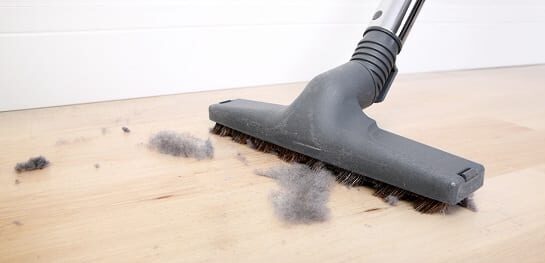
- Clean dust with methods that avoid sending it back into the air.
- Check bathroom and kitchen exhaust.
- Review whether a portable or whole home filtration option fits your needs.
On Long Island, humid weather can linger into the shoulder season. In Rockland County, warm days can shift quickly into colder nights. Those changes can affect how often a home is closed, heated, cooled, or dehumidified.
What are common signs of poor indoor air quality?
Possible signs of an indoor air concern include recurring odors, visible moisture, excessive dust, stuffy rooms, or symptoms that seem worse indoors.
The CDC lists possible responses to poor indoor air conditions such as a stuffy nose, sore throat, coughing, wheezing, headaches, burning eyes, or skin irritation. Those symptoms can have many causes, so they should not be used to diagnose a home or a medical condition.
Watch for household clues such as:
- Condensation that stays on windows or other surfaces.
- Damp odors near a basement, bathroom, attic, or utility space.
- Visible mold or repeated moisture around a leak.
- Dust returning soon after cleaning.
- Rooms that feel stale when doors are closed.
- A filter that becomes dirty unusually quickly.
- Different comfort or odor levels from one room to another.
Persistent allergy or breathing symptoms should be discussed with a qualified healthcare professional. An HVAC or IAQ evaluation can address the home environment, but it cannot diagnose an illness.
What can homeowners safely check?
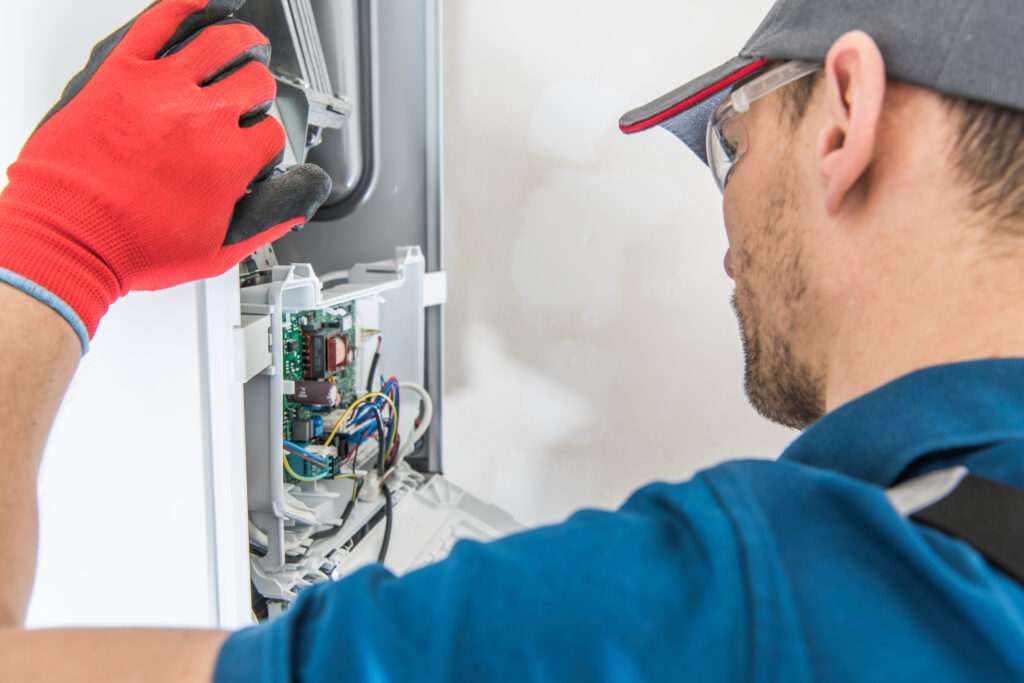
Homeowners can safely check accessible filters, visible moisture, exhaust operation, and obvious pollutant sources without opening HVAC equipment.
Start with this fall checklist:
- Check the filter label.
Confirm its size, airflow direction, and replacement condition. Follow the equipment and filter manufacturer’s instructions. - Look for filter gaps.
A poorly fitted filter may allow air to move around the filter instead of through it. ENERGY STAR notes that proper filter installation helps air pass through the filter media. - Inspect for moisture.
Check accessible areas around sinks, pipes, windows, bathrooms, basements, and HVAC equipment. Mold grows where moisture is present, including areas affected by leaks or flooding. - Use kitchen and bathroom exhaust.
Make sure exhaust air is moving as intended. Do not dismantle fans, ducts, or electrical components. - Review household sources.
Smoke, strong cleaning products, stored chemicals, candles, and renovation materials can affect indoor air. - Clean gently.
Use a damp cloth or a vacuum suited to the task rather than dry methods that spread dust.
Safety note: stop if a check requires opening electrical panels, accessing internal HVAC components, working at an unsafe height, or disturbing suspected asbestos or a large area of mold.
How can you improve indoor air quality in fall?
The most effective fall plan begins by reducing pollutants and moisture before adding filtration equipment.
The EPA generally places source control first. That means identifying the source of a pollutant and reducing or removing it when practical.
A practical order is:
1. Reduce sources
- Keep smoke outdoors.
- Store chemicals securely and according to their labels.
- Address leaks.
- Clean dust and pet hair regularly.
- Limit products with strong odors when a lower-emission option works.
2. Control moisture
Moisture control matters because excess moisture supports indoor mold growth.
Check:
- Plumbing leaks.
- Roof or window leaks.
- Condensation.
- Bathroom ventilation.
- Basement or crawl-space dampness.
- HVAC drainage concerns.
3. Ventilate when conditions are suitable
Fresh outdoor air may help dilute indoor pollutants, but outdoor conditions matter. Keep windows closed when pollen, smoke, or other outdoor pollution is elevated. Follow local air quality and pollen information rather than using a fixed schedule.
4. Add appropriate filtration
Portable air cleaners and compatible central system filters may reduce airborne particles. They are supplements, not substitutes for controlling sources and moisture.
Review Universe’s indoor air quality services for help comparing filtration options.
Which air cleaning solution may fit your home?
The right solution depends on the pollutant, room size, HVAC design, airflow, maintenance needs, and whether you need room-level or whole-home filtration.
Portable air cleaner
A portable unit is designed for one room or defined area.
Consider:
- Room size and the unit’s rated capacity.
- Filter type.
- Noise at the speed you expect to use.
- Filter cost and replacement schedule.
- Placement that does not block airflow.
HEPA filtration
HEPA means high-efficiency particulate air. The EPA describes HEPA as a pleated mechanical filter tested to remove at least 99.97% of particles measuring 0.3 microns under its defined test conditions. That standard does not mean a device removes every pollutant from a real home.
Central HVAC filtration
A central filter treats air moving through a ducted HVAC system. A higher-rated filter is not automatically the right choice. The system must be able to support the added airflow resistance.
Before changing filter type:
- Review the equipment manufacturer’s requirements.
- Confirm the correct filter size.
- Ask whether the blower and duct system can support the filter.
- Avoid stacking filters unless the equipment is designed for it.
Whole home purification
A whole home air purifier or air scrubber may be considered when room-by-room units do not meet the homeowner’s goals.
The design should account for:
- Existing HVAC equipment.
- Duct layout.
- Airflow.
- Available installation space.
- Electrical requirements.
- Ongoing cleaning or replacement needs.
When should you call an indoor air quality professional?
Call a qualified professional when the problem persists, involves HVAC performance, or cannot be checked safely.
Professional help may be useful when:
- Moisture or odors continue after basic cleaning.
- Several rooms have uneven airflow.
- The HVAC filter does not fit correctly.
- You need to know which filtration level the system can support.
- A proposed purifier requires HVAC or electrical integration.
- You see water near HVAC equipment.
- Indoor humidity remains difficult to manage.
- You are comparing portable and whole-home solutions.
An IAQ visit should begin with the concern you are trying to solve. “Allergies” alone is too broad. Explain where and when the problem occurs, whether moisture or odors are present, and what equipment the home already uses.
Ready to improve the air quality in your New York home? Schedule a consultation with Universe today.
Frequently Asked Questions
How can I improve indoor air quality during October?
Improving indoor air quality during October starts with reducing pollutants, controlling moisture, checking the HVAC filter, and ventilating with clean outdoor air when conditions allow. The EPA recommends source control as a primary strategy, with filtration used as a supplement.
Can a HEPA air purifier help with indoor allergies?
A HEPA air purifier can capture many airborne particles when the unit is properly sized, placed, operated, and maintained. HEPA is a tested filtration category, but a purifier cannot remove every allergen or address moisture and pollutant sources by itself.
What are common signs of poor indoor air quality?
Common signs of a possible indoor-air problem include stale odors, excessive dust, visible moisture, recurring condensation, or discomfort that seems worse indoors. The CDC also identifies possible symptoms such as a stuffy nose, coughing, wheezing, headaches, burning eyes, or skin irritation. These signs are not a diagnosis, and health concerns should be discussed with a healthcare professional.
Should I install a higher-rated HVAC filter?
A higher-rated HVAC filter should be installed only when the heating and cooling system can support its airflow resistance. The correct choice depends on the equipment, filter cabinet, blower, duct system, and manufacturer guidance. Homeowners should not assume that the highest available rating is automatically the safest or most effective option.
Is a portable purifier or whole-home air purifier better?
A portable or whole-home air purifier is better only when it matches the area being served and the pollutant concern. Portable units generally serve one room or defined area, while central systems treat air moving through compatible HVAC equipment. Compare capacity, noise, installation, maintenance, and replacement-filter costs before choosing.