Improving indoor air quality for allergies usually takes more than installing one filter or air purifier.
A practical plan may include:
- Reducing allergen and pollutant sources
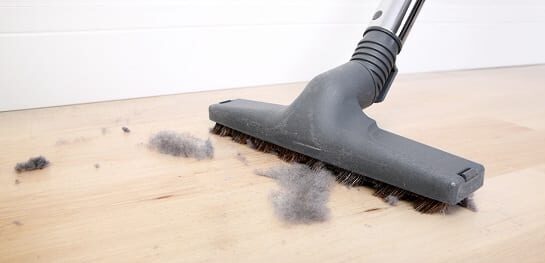
- Cleaning settled dust
- Controlling excess moisture
- Maintaining suitable HVAC filtration
- Using ventilation when outdoor conditions are appropriate
- Adding portable or whole home air cleaning when it fits the home
Common indoor triggers can include dust mites, mold, pollen, pet allergens, smoke, pest debris and fine particles. EPA notes that indoor pollutants may come from both indoor and outdoor sources.
Air quality improvements may reduce exposure to some triggers, but an HVAC product should not be presented as a cure for allergies. People with persistent or severe symptoms should discuss them with a qualified healthcare professional.
What commonly affects indoor air quality during allergy season?
Indoor air quality may be affected by particles entering from outdoors and allergens already present inside the home.
Common sources include:
- Outdoor pollen entering through doors, windows and clothing
- Dust mites in bedding, rugs and upholstered furniture
- Pet allergens on floors, fabrics and other surfaces
- Mold in damp areas
- Smoke and combustion particles
- Dust disturbed during cleaning or renovation
- Pest debris
- Dirty or poorly fitted HVAC filters
- Moisture or ventilation problems
Long Island’s humid summers and wet shoulder seasons can increase the importance of moisture control. In Rockland County, warm summers, wooded properties and seasonal pollen may also affect what enters the home. Conditions vary by property.
What are common signs that a home’s air needs attention?
Common indoor air concerns may include visible dust, musty odors, excess humidity, repeated condensation or allergy symptoms that seem worse indoors.
Homeowners may notice:
- Dust returning quickly after cleaning
- Musty or stale odors
- Condensation on windows or ducts
- Visible mold or water staining
- Pet hair and dander buildup
- Rooms that feel damp
- Uneven airflow
- Dirty supply registers
- Symptoms that seem stronger in one room or season
These observations do not prove that the HVAC system caused a health symptom. Indoor allergies can have several sources, and medical diagnosis is outside the scope of an HVAC evaluation.
What can homeowners safely check?
Homeowners can inspect accessible filters, visible moisture, dust buildup, and airflow without opening HVAC equipment.
Check:
- The filter’s size, condition and installation direction
- Whether the filter fits without large gaps
- The manufacturer’s replacement or cleaning schedule
- Visible water near HVAC equipment
- Condensation around windows or ducts
- Bathroom and kitchen exhaust operation
- Dust on accessible registers
- Furniture blocking supply or return vents
- Musty areas such as basements, bathrooms or closets
- Whether outdoor pollen conditions are high before opening windows
Do not:
- Open electrical or refrigerant compartments
- Apply ozone-generating treatments
- Spray chemicals into ductwork
- Disturb suspected asbestos
- Remove large mold growth without proper guidance
- Install a high-resistance filter without checking HVAC compatibility
How can source control reduce indoor allergens?
Source control means eliminating, reducing, or trapping allergen sources at their point of origin to prevent them from spreading, becoming airborne, or causing allergic reactions and cross-contact. Source control reduces allergens before filtration has to capture them.
EPA identifies eliminating or reducing pollution sources as one of the most effective ways to improve indoor air quality.
Practical steps may include:
- Keep smoking and vaping outside
- Repair water leaks
- Dry damp materials
- Use exhaust fans during bathing and cooking
- Wash bedding regularly
- Use dust-mite covers where appropriate
- Keep pets out of bedrooms when allergies are a concern
- Clean pet bedding
- Remove shoes near the entrance
- Store chemicals and paints safely
- Address pest activity
- Avoid heavily scented products when they cause irritation
Source control often works best when paired with cleaning, moisture management, and filtration.
How should dust mites and pet dander be managed?
Dust mites and pet allergens are best managed through regular cleaning and reduced buildup on fabrics and surfaces.
EPA recommends measures such as:
- Wash bedding regularly and dry it completely
- Use dust-proof mattress and pillow covers
- Dust with a damp cloth
- Vacuum carpets and upholstered furniture
- Use a vacuum with a HEPA filter
- Keep people with asthma or allergies away from the area during vacuuming when practical
- Clean washable pet bedding
- Reduce clutter that collects dust
Pet allergens can remain on furniture, flooring, and clothing even when the pet is not in the room. No filter can remove material that has already settled on surfaces, which is why cleaning remains important.
How should indoor humidity be controlled?
Indoor humidity should be kept at a moderate level that limits dampness without making the home uncomfortably dry.
EPA generally recommends keeping indoor relative humidity between 30% and 50% and correcting leaks or moisture problems.
Excess moisture may support:
- Mold growth
- Dust-mite activity
- Musty odors
- Condensation
- Damage to finishes and materials
Helpful steps include:
- Repair plumbing or roof leaks
- Run bathroom exhaust fans
- Use kitchen exhaust when cooking
- Keep condensate drains maintained
- Use a dehumidifier when appropriate
- Avoid over-humidifying in winter
- Measure humidity instead of relying only on how the room feels
Long Island humidity and damp coastal conditions can affect some homes, while Rockland County basements, wooded lots and seasonal moisture may create different concerns.
Which HVAC filter is best for allergies?
The best HVAC filter for allergies is one that captures relevant particles while remaining compatible with the system’s airflow requirements.
Filter decisions should consider:
- Filter dimensions
- Equipment specifications
- Filter depth
- Airflow resistance
- Blower capacity
- Replacement frequency
- Household pets
- Dust and pollen conditions
A higher-efficiency filter is not automatically better if it restricts airflow beyond what the system can handle.
Ask an HVAC professional:
- Which filter ratings the equipment supports
- Whether the filter cabinet seals properly
- Whether a deeper media filter can be installed
- Whether airflow should be measured
- How often the filter should be checked
Learn more about how humidifiers, air purifiers, and air scrubbers can improve air quality in your New York home
What are the benefits of HEPA filtration?
A true HEPA filter is designed to capture a high percentage of very small airborne particles, but its usefulness depends on where and how it is installed.
HEPA filtration is commonly used in:
- Portable room air cleaners
- HEPA-filter vacuums
- Specialized filtration systems
Potential benefits include reducing certain airborne particles that pass through the device. Limitations include:
- It cleans only air that moves through the filter
- It does not remove settled dust from surfaces
- It does not repair moisture or mold sources
- It does not remove every gas or odor
- It may not be suitable as a direct replacement in a standard HVAC filter slot
A product labeled “HEPA-type” is not necessarily the same as a certified true HEPA filter.
Do portable air purifiers help with allergies?
Portable air purifiers may reduce certain airborne particles in the room they serve, but performance depends on filtration, airflow, room size and placement.
Before choosing a unit, compare:
- Room-size rating
- Clean Air Delivery Rate, when available
- True HEPA filtration
- Replacement-filter cost
- Noise at the intended setting
- Energy use
- Placement requirements
- Whether the device intentionally produces ozone
Avoid devices that intentionally generate ozone in occupied spaces. Air cleaning should supplement—not replace—source control and cleaning.
What are the benefits of a whole home air purifier?
A whole home air purifier may clean air moving through a compatible central HVAC system, but it cannot address every pollutant or every room condition.
Potential benefits may include:
- Treating air through a central return path
- Less reliance on separate portable units
- Larger filter or media capacity
- Integration with compatible HVAC equipment
- Centralized maintenance
A whole home system may be less helpful when:
- The HVAC fan rarely operates
- Ducts do not serve the affected room
- The pollutant source is not airborne
- Moisture or mold remains unresolved
- The home has no central duct system
When should ventilation be part of the plan?
Ventilation can help dilute some indoor pollutants, but outdoor air should be introduced only when conditions are appropriate.
Opening windows may not be helpful when:
- Outdoor pollen is high
- Smoke or poor outdoor air quality is present
- Humidity is high
- Outdoor temperatures place heavy demand on HVAC equipment
- Security or noise is a concern
Mechanical ventilation may be considered when a home is tight or lacks enough fresh air exchange.
The design should account for:
- Outdoor air quality
- Humidity
- Heating and cooling load
- Filtration
- Exhaust systems
- Pressure balance
When should an HVAC or IAQ professional be called?
An HVAC or IAQ professional may help when filtration, airflow, humidity or equipment integration needs a closer evaluation.
Professional review may be useful when:
- A filter does not fit properly
- A higher-efficiency filter is being considered
- Airflow is weak
- Humidity remains high or low
- Condensation keeps returning
- A whole-home purifier is being considered
- Rooms have uneven ventilation
- HVAC maintenance is overdue
- Duct or equipment contamination is suspected
- The homeowner needs help comparing IAQ options
What does IAQ installation or service involve?
Indoor air quality service may include an evaluation of the concern, HVAC compatibility, placement, airflow, controls, and maintenance needs.
Depending on the solution, work may include:
- Identifying the main air-quality concern
- Inspecting filters and filter cabinets
- Reviewing airflow
- Checking humidity
- Looking for visible moisture
- Reviewing ventilation
- Selecting compatible equipment
- Installing electrical or control connections
- Testing operation
- Explaining filter or media replacement
An IAQ service should not promise medical outcomes. The goal is to address identified building and air-handling conditions.
What is the practical next step?
The practical next step is to identify the likely source, check moisture and filtration, then choose the smallest solution that addresses the actual concern.
Before scheduling, note:
- The rooms affected
- When symptoms seem worse
- Pets in the home
- Visible moisture or mold
- Filter size and condition
- Current humidity
- HVAC system type
- Recent water damage
- Cleaning and ventilation habits
- Property ZIP code
Schedule an indoor air quality consultation with Universe today
Frequently Asked Questions
How can homeowners improve indoor air quality for allergies?
Homeowners can improve indoor air quality for allergies by reducing allergen sources, controlling moisture, cleaning settled dust, maintaining suitable filters and considering properly sized air cleaning. No single device removes every allergen.
What indoor allergens are common in homes?
Common indoor allergens include dust mites, pet allergens, mold, pollen and pest debris. These materials may be airborne or settled on bedding, floors, furniture and other surfaces.
Which HVAC filter is best for allergies?
The best HVAC filter for allergies is one that captures useful particle sizes without exceeding the system’s airflow limits. Homeowners should confirm the supported filter rating, dimensions and replacement schedule.
What are the benefits of a HEPA filter?
A true HEPA filter can capture a high percentage of small airborne particles passing through the device. HEPA filters do not remove settled allergens, correct mold sources or capture every gas and odor.
Do air purifiers help with pet dander?
Air purifiers may reduce airborne pet-allergen particles when the purifier is properly sized, filtered and operated. Cleaning fabrics and surfaces and limiting pet access to sensitive areas remain important.
How can homeowners reduce dust mites?
Homeowners can reduce dust mites by washing and drying bedding, using dust-proof covers, controlling humidity, damp dusting and vacuuming carpets and furniture. EPA recommends these measures as part of asthma-trigger control.
What humidity level supports better indoor air quality?
An indoor relative-humidity range of about 30% to 50% is generally recommended by EPA to help control excess moisture. Actual comfort and building conditions should guide humidifier or dehumidifier use.
Is a whole home air purifier better than a portable purifier?
A whole home air purifier treats air moving through compatible central HVAC equipment, while a portable purifier treats a limited room or area. The better fit depends on ducts, airflow, room use, pollutants and maintenance needs.
Can an air purifier cure allergies?
An air purifier cannot be claimed to cure allergies. Air cleaning may reduce some airborne particles, but allergy diagnosis and treatment should be discussed with a qualified healthcare professional.