The right heating system for a Long Island or Rockland County home depends on the building, not only the fuel or equipment label. Cold climate heat pumps can provide heating and cooling. Furnaces, boilers, oil systems, ductless mini-splits, and dual-fuel configurations may fit other homes.
Before choosing, compare:
- The home’s winter heating load
- Insulation and air sealing
- Existing ducts or hydronic piping
- Available fuels
- Electrical-panel capacity
- Room-by-room comfort
- Installation requirements
- Maintenance needs
- Local energy rates
Which heating systems work well during New York winters?
Cold climate heat pumps, furnaces, and boilers can all heat New York homes when they are selected and sized for the property.
The main choices include:
- Cold climate air source heat pumps: Transfer heat into the home and can also provide cooling.
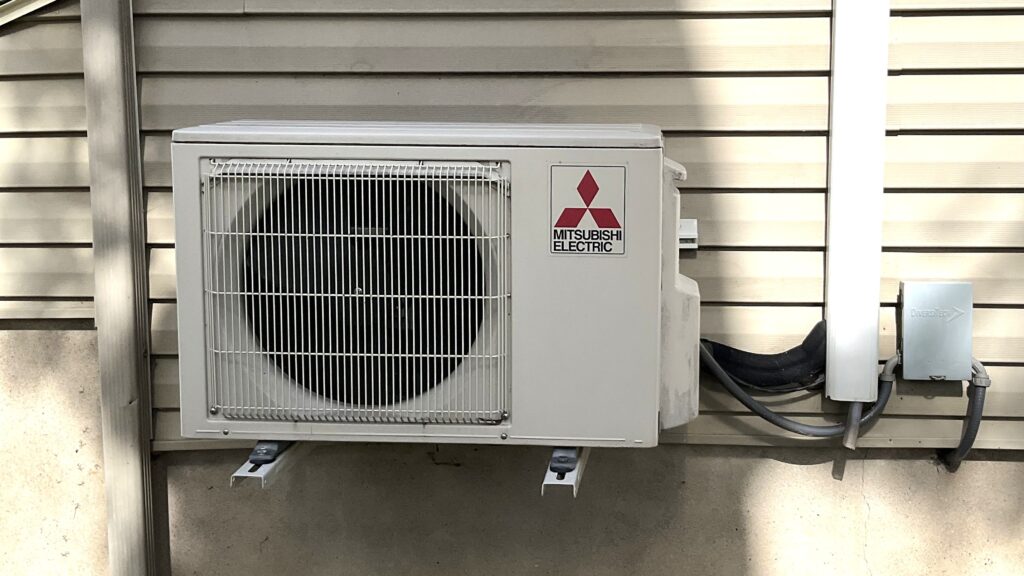
- Ductless mini-splits: Use heat-pump technology without a traditional central duct system.
- Gas furnaces: Heat air and distribute it through ducts.
- Oil furnaces: Use oil-fired equipment and central ducts.
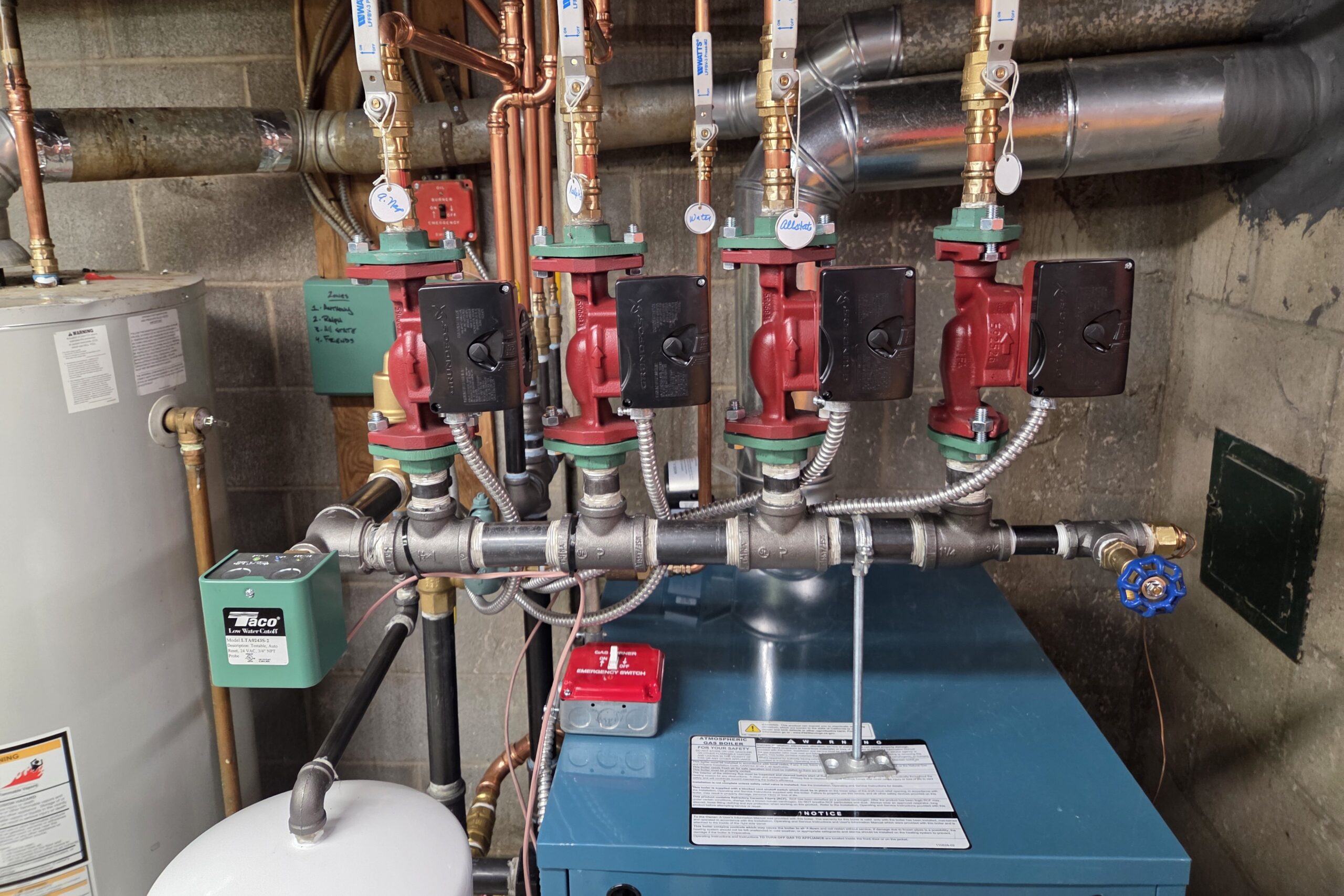
- Gas or oil boilers: Heat water for radiators, hydronic baseboards, or radiant floors.
- Dual-fuel systems: Pair a heat pump with a compatible furnace.
ENERGY STAR cold climate heat pump criteria include low-temperature performance requirements at 5°F. That does not mean every heat pump fits every home. The equipment’s output must still be compared with the home’s calculated heat loss.
Is a heat pump or furnace the better fit?
A heat pump may fit homeowners who want one system for heating and cooling, while a furnace may fit homes with central ducts and an established fuel connection.
An air source heat pump transfers heat instead of creating all its heat through combustion. A furnace burns gas or oil, or uses electric resistance, to produce heat.
A heat pump may fit when:
- The home needs both heating and cooling
- The electrical service can support the equipment
- The ducts are suitable or a ductless design is practical
- Low temperature capacity matches the heating load
- The homeowner wants to reduce on-site combustion
A furnace may fit when:
- The home already has usable central ductwork
- Gas or oil service is available
- The homeowner plans to keep separate central cooling
- Venting and combustion requirements can be met
- A dual-fuel system is under consideration
The choice should include the full installation, not only the heating appliance. Electrical work, venting, fuel lines, ducts, controls, backup heat, and cooling equipment can change the final scope.
When does ductless heating make sense?
Ductless mini-splits make sense when a home lacks usable ducts or needs separate control for individual rooms.
Ductless systems may fit:
- Home additions
- Finished lower levels
- Converted attics
- Enclosed porches
- Rooms that stay colder than the rest of the house
- Homes with radiators or hydronic baseboards
- Areas where extending central ducts would be difficult
Long Island Cape, ranch, and split-level homes can have rooms with different exposure and airflow. Rockland County homes may include additions, finished lower levels, or varied layouts across older and newer construction.
Ductless planning should account for:
- Indoor unit placement
- Outdoor unit location
- Refrigerant line routing
- Condensate drainage
- Low temperature performance
- Appearance
- Maintenance access
Should a New York home use a boiler or furnace?
A furnace distributes heated air through ducts, while a boiler sends heated water through radiators, baseboards, or radiant floor piping.
A furnace may be practical when:
- The home has serviceable ducts
- Central cooling uses the same distribution system
- Gas or oil service is available
- The floor plan receives balanced airflow
A boiler may be practical when:
- The home has radiators
- Hydronic baseboards are in place
- Radiant-floor heating is used
- Existing piping remains serviceable
- The homeowner prefers hydronic comfort
The condition of the distribution system matters. A high-efficiency furnace cannot correct major duct leakage. A new boiler will not resolve poorly balanced piping or damaged radiators by itself.
How do oil and gas heating compare?
Oil and gas heating should be compared by equipment condition, fuel access, venting, storage, delivery, and total project scope.
Gas systems may use a furnace or boiler connected to available gas service.
Oil systems normally require:
- A storage tank
- Fuel deliveries
- Burner maintenance
- Suitable venting
- Space for the tank and heating equipment
Homeowners should also consider:
- The condition and location of an existing oil tank
- Whether gas service is available at the property
- Chimney or vent condition
- Conversion costs
- Equipment efficiency
- Fuel-price changes
- Local permit and inspection requirements
When does a dual-fuel system make sense?
A dual-fuel system may make sense when a homeowner wants a heat pump for moderate conditions and a furnace for selected colder periods.
A dual-fuel configuration combines:
- An air source heat pump
- A compatible furnace
- Controls that decide which heating source operates
A proposal should explain:
- The planned changeover temperature
- How both systems are sized
- Which fuel operates under different conditions
- Electrical and fuel requirements
- Maintenance for both systems
- How local utility rates affect operation
A more complex system is not automatically more efficient. The design should support a clear comfort, fuel, or operating goal.
What local factors should Long Island homeowners consider?
Long Island homeowners should consider winter cold, summer humidity, housing layout, and coastal exposure where it applies.
Potential Long Island factors include:
- Older Cape, ranch, and split level homes
- Ducts routed through attics, crawlspaces, or tight utility areas
- Humid summers
- Wet shoulder seasons
- Salt air exposure in some coastal communities
- Existing oil or gas equipment
- Uneven room temperatures in older additions
Coastal conditions do not apply to every Long Island property. Outdoor equipment placement should reflect the actual site rather than a broad regional assumption.
What local factors should Rockland County homeowners consider?
Rockland County homeowners should consider cold winters, freeze-thaw cycles, property access, and the mix of older and newer housing.
Potential Rockland County factors include:
- Older heating distribution systems
- Newer suburban developments
- Wooded or hilly properties in parts of the county
- Outdoor unit drainage
- Snow and winter access
- Finished lower levels
- Additions with separate comfort needs
What affects the cost to heat a home in Rockland County and on Long Island?
Heating cost depends on the home, equipment, fuel, installation work, and household use.
Project cost drivers include:
- Heating capacity
- Equipment efficiency
- Central or ductless design
- Furnace, boiler, or heat-pump configuration
- Number of zones
- Duct or piping condition
- Electrical upgrades
- Fuel line or venting work
- Oil tank work
- Controls
- Permits and inspections
- Equipment access
- Backup heat
- Removal of old equipment
Operating cost depends on:
- Fuel and electricity rates
- Insulation
- Air leakage
- Thermostat settings
- Equipment condition
- Winter weather
- Household schedules
- Backup heat use
What is the practical next step?
The practical next step is to compare complete heating plans using the home’s actual load and infrastructure.
Ask each proposal to explain:
- Why the equipment type fits the home
- Heating capacity at winter conditions
- Duct or piping work
- Electrical requirements
- Fuel and venting needs
- Backup heat
- Zoning and controls
- Included maintenance
- Incentive assumptions
- Total installation scope
Schedule service with Universe to review heating options for your Long Island or Rockland County home
Frequently Asked Questions
What heating options are available on Long Island and in Rockland County?
Heating options on Long Island and in Rockland County include cold climate heat pumps, furnaces, boilers, ductless mini-splits, oil equipment, and dual-fuel systems. The right option depends on the building load, insulation, existing distribution, fuel access, electrical service, and installation scope.
What is the best heating system for a New York winter?
The best heating system for a New York winter is one that can meet the home’s calculated load at low outdoor temperatures. Cold climate heat pumps, furnaces, and boilers can all work when properly selected. Existing ducts, piping, fuel, electrical capacity, and backup needs affect the choice.
Is a heat pump or furnace better on Long Island and in Rockland County?
A heat pump may fit Long Island and Rockland County homeowners who want heating and cooling from one system, while a furnace may fit homes with central ducts and available fuel. The comparison should include winter capacity, electrical work, fuel connections, backup heat, and full installation cost.
Should a New York home use a boiler or furnace?
A New York home may use a boiler when it has radiators, hydronic baseboards, or radiant floors, while a furnace may fit a home with central ducts. The condition of the piping or ductwork, available fuel, cooling plans, and room-by-room comfort should guide the decision.
What are the benefits of ductless mini-splits?
Ductless mini-splits provide separate room control without traditional central ducts. They may fit additions, finished lower levels, older homes with radiators, or rooms with different comfort needs. Low temperature capacity, unit placement, drainage, and refrigerant-line routing should be reviewed before installation.
How do oil and gas heating compare?
Oil and gas heating differ in fuel delivery, storage, equipment, venting, and property access. Oil systems normally require a storage tank and fuel deliveries, while gas equipment requires suitable gas service. Homeowners should compare conversion work, equipment condition, fuel availability, and local requirements.
Are heating costs the same in Rockland County and on Long Island?
Heating costs are not necessarily the same in Rockland County and on Long Island because properties, utilities, fuels, equipment, and household use vary. Project cost also depends on ducts, piping, electrical work, venting, controls, permits, and equipment access.