The Freon phaseout does not require you to replace a working air conditioner immediately.
U.S. production and import of new R-22 ended on January 1, 2020. Existing systems may still operate and can be serviced by certified technicians using recovered, reclaimed, or previously produced R-22.
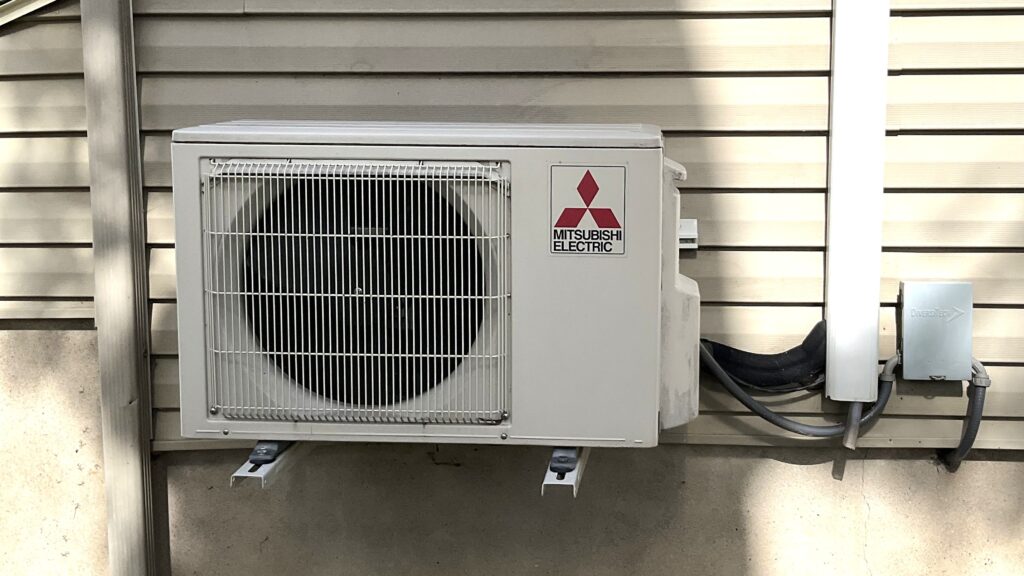
The safest way to identify your system’s refrigerant is to check the equipment nameplate without opening the cabinet.
What does Freon mean?
Freon is a widely used nickname for refrigerant, the specialized cooling fluid that cycles through your HVAC system to absorb heat from inside your home and transfer it outdoors. Just like people call all tissues “Kleenex,” Freon is actually a trademarked brand name for an older type of refrigerant (known as R-22) that was used in air conditioners for decades. While Freon is often used as a general term for refrigerant, air conditioners may use different products.
Think of refrigerant as the lifeblood of your cooling system. As it moves through your AC’s coils, it changes from a liquid to a gas to pull heat and humidity out of your indoor air. Because traditional Freon harms the ozone layer, it is no longer manufactured in the U.S., meaning newer systems rely on modern, eco-friendly refrigerants to keep your home comfortable.
Why was R-22 phased out?
R-22 was phased out because it damages the stratospheric ozone layer and also contributes to climate change.
The ozone layer helps protect people and ecosystems from harmful ultraviolet radiation. Federal rules gradually reduced R-22 production and import instead of requiring every existing air conditioner to be removed at once.
The timeline included:
- Reduced production and import over several years
- Restrictions on new equipment designed for R-22
- An end to U.S. production and import of new R-22 on January 1, 2020
- Continued use of recovered, reclaimed, or previously produced R-22 for existing systems
Universe provides AC repair, replacement, and maintenance service for air conditioner systems on Long Island and in Rockland County
Does an R-22 air conditioner need to be replaced now?
An R-22 air conditioner does not need replacement only because it contains R-22. A working system may continue operating.
Replacement becomes a stronger consideration when:
- The refrigerant circuit has a significant leak
- Leaks keep returning
- A compressor or coil has failed
- Compatible parts are difficult to obtain
- Refrigerant and repair costs are high
- The system no longer cools the home well
- Energy use or comfort has become a concern
- Major duct or electrical work is also needed
A small, repairable component failure may not justify replacing the full system. A major refrigerant leak in older equipment may lead to a different conclusion.
Can an existing R-22 system still be repaired?
An existing R-22 system may still be repaired, but refrigerant work must be performed by a properly certified technician.
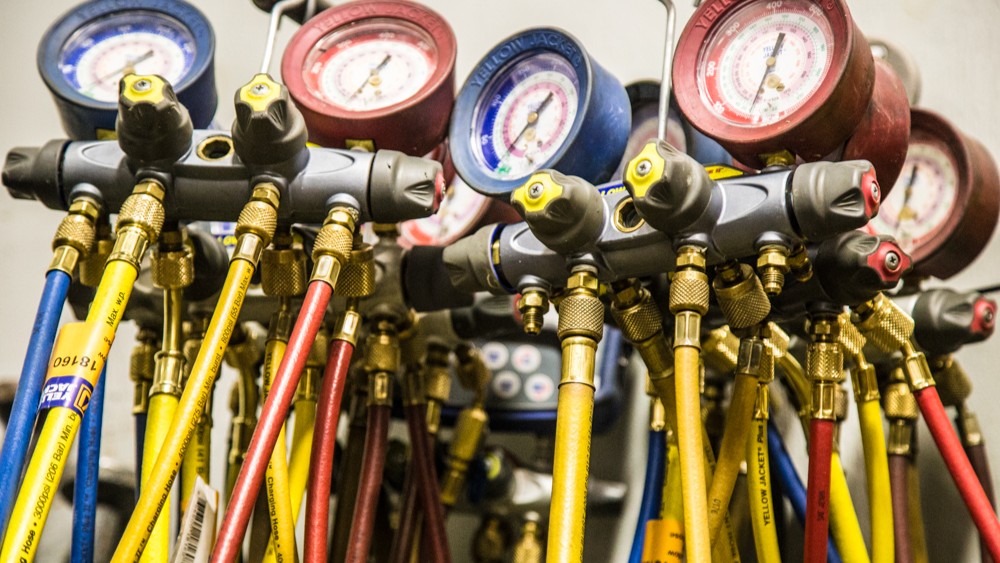
Federal rules limit the sale and handling of stationary refrigerants. Homeowners should not buy refrigerant online, connect charging equipment, release refrigerant, or attempt a recharge.
A professional diagnosis should determine:
- Whether refrigerant is actually low
- Where the leak is located
- Whether the leak can be repaired
- How much refrigerant was lost
- Whether other components are damaged
- Whether another repair is likely soon
Adding refrigerant without addressing a known leak may provide only temporary relief.
Can R-22 be replaced with another refrigerant?
An R-22 system cannot simply be filled with R-410A, R-32, R-454B, or another refrigerant without an approved conversion process.
Refrigerants can differ in:
- Operating pressures
- Lubricant requirements
- Component compatibility
- Controls
- Safety classifications
- Charging procedures
Some R-22 equipment may qualify for a manufacturer-supported retrofit using an approved alternative. Other systems may not be practical candidates.
What is changing with newer air conditioners?
New residential air conditioners are moving toward refrigerants with lower global-warming potential, but this transition is separate from the R-22 phaseout.
Federal Technology Transitions rules restrict higher global warming potential refrigerants in newly manufactured or imported residential and light-commercial cooling equipment. EPA’s current tables generally apply a global-warming-potential limit of 700 to covered residential systems, with rules and transition provisions varying by product and manufacturing date.
This means homeowners may now see equipment designed for refrigerants such as R-32, R-454B, and other EPA-acceptable refrigerants
It does not mean:
- Every R-410A system is suddenly illegal
- A working R-410A system must be replaced
- Every manufacturer uses the same new refrigerant
- New refrigerants can be placed in old equipment
The equipment nameplate and manufacturer documentation control which refrigerant the system uses.
Questions or concerns about your existing AC?
C
Frequently Asked Questions
What is Freon?
Freon is a trademarked name commonly used as a general term for several refrigerants. An air conditioner’s nameplate identifies whether the system uses R-22, R-410A, or another refrigerant.
Why was R-22 Freon phased out?
R-22 Freon was phased out because it damages the stratospheric ozone layer and contributes to climate change. U.S. production and import of new R-22 ended January 1, 2020.
Can an R-22 air conditioner still be used?
An R-22 air conditioner can still be used, and federal rules do not require a working system to be replaced immediately. Existing equipment may be serviced using recovered, reclaimed, or previously produced R-22.
Can homeowners buy R-22 refrigerant?
Homeowners generally cannot purchase R-22 to recharge a stationary air conditioner unless they hold the required EPA certification. Refrigerant charging and recovery should be handled by a properly certified technician.
Does an R-22 leak mean the AC must be replaced?
An R-22 leak does not automatically mean the air conditioner must be replaced. The decision depends on the leak location, repairability, refrigerant availability, equipment condition, repair history, and total cost.
Can R-410A be added to an R-22 system?
R-410A should not be added to an R-22 system because the refrigerants and equipment operate differently. Only a manufacturer-supported retrofit or properly matched replacement should be considered.
What refrigerants are used in new air conditioners in 2026?
New air conditioners in 2026 may use R-32, R-454B, or another EPA-acceptable refrigerant, depending on the manufacturer and equipment. EPA maintains current acceptable-substitute listings and federal transition rules.
Does an R-410A air conditioner need to be replaced?
An existing R-410A air conditioner does not automatically need replacement because newer equipment uses different refrigerants. Repair or replacement should be based on system condition, compatibility, cost, and homeowner needs.