Three common air conditioning options for New York homes are:
- Central air conditioning
- Ductless mini-splits
- Window or through-wall room air conditioners
Each can be practical in the right setting. The choice depends on how much of the home needs cooling, whether usable ducts already exist, how much room-by-room control the household wants, and what installation work the property can support.
Central air is often considered for whole home cooling. Ductless systems can work well in homes without ducts, additions, or rooms with different comfort needs. Room air conditioners are usually used for one room or a small area.
There is no single “best AC system for New York homes.” The right option should fit the property, household, electrical system, comfort goals, and budget.
What are the three main air conditioning types?
Central air, ductless mini-splits, and room air conditioners meet different cooling needs.
1. Central air conditioning
A central system commonly uses:
- An outdoor condensing unit
- An indoor coil or air handler
- A thermostat
- Supply and return ducts
- Registers in several rooms
- A condensate-drainage system
Central systems distribute cooled and dehumidified air to multiple rooms as part of the home’s indoor climate control system.
2. Ductless mini-splits
A ductless system commonly uses:
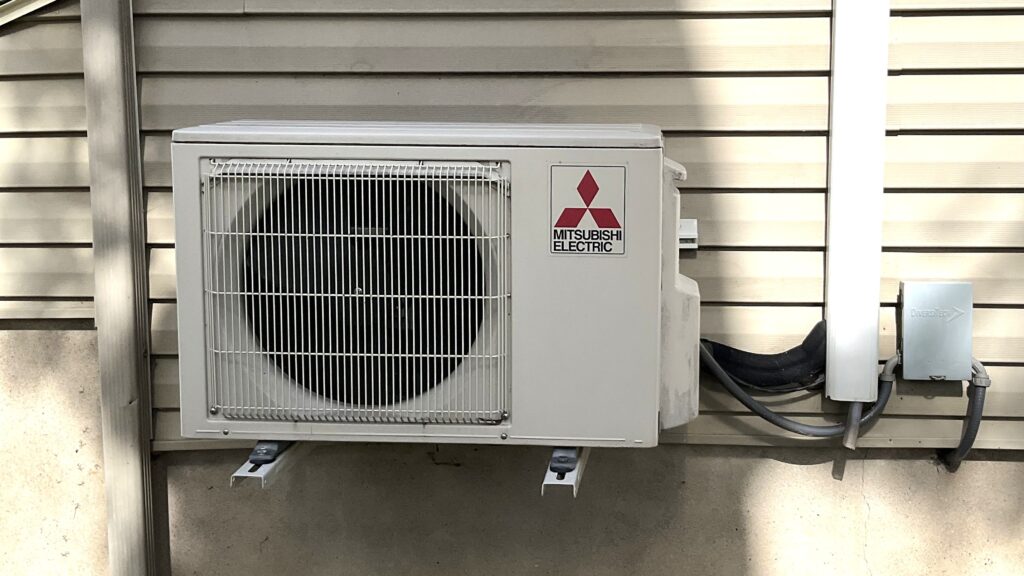
- One outdoor unit
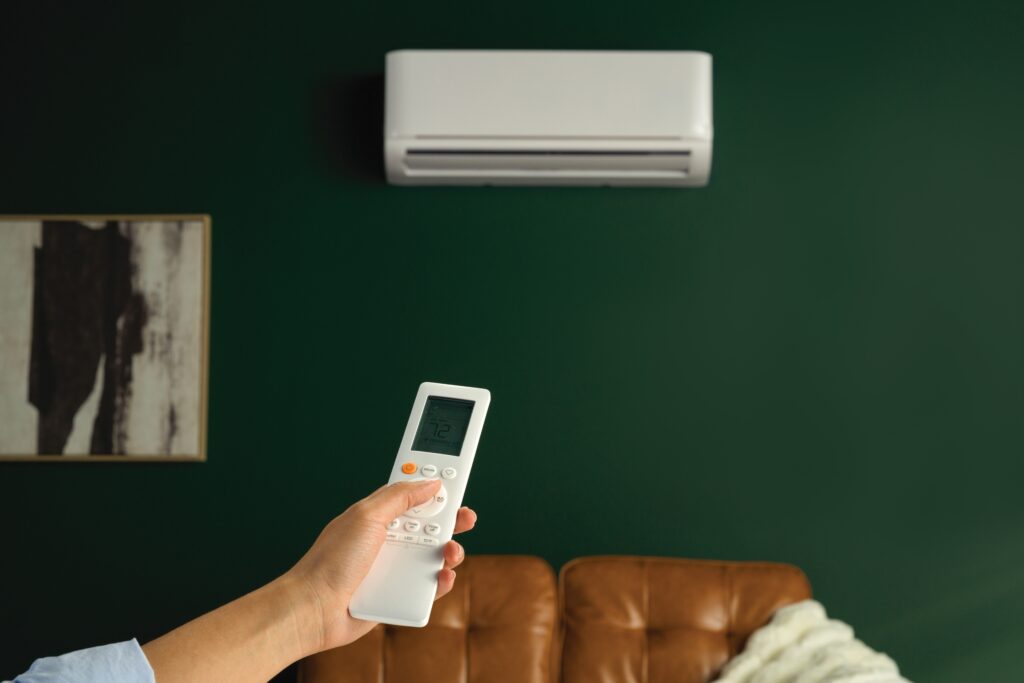
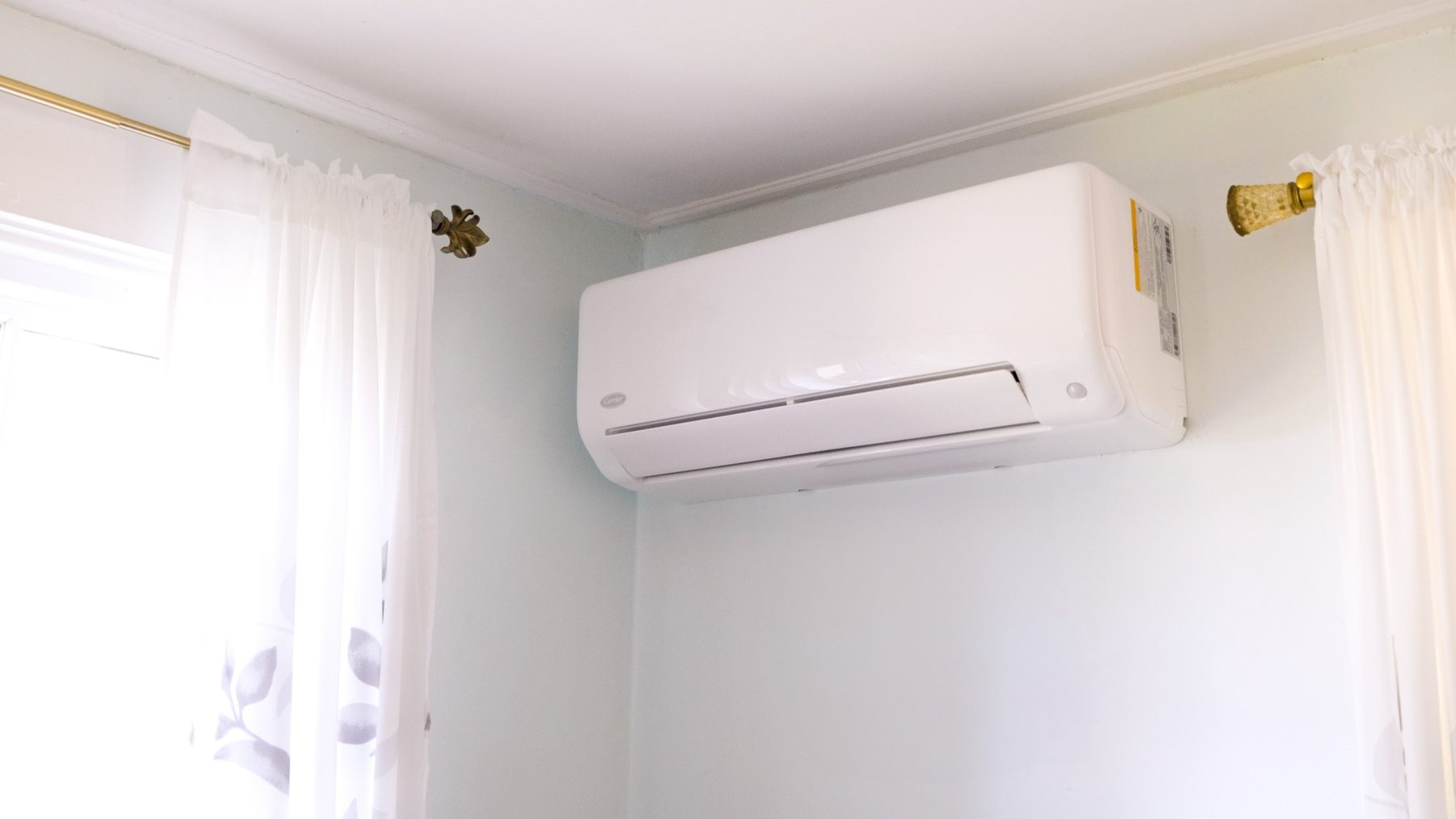
- One or more indoor wall, ceiling, or floor units
- Refrigerant lines
- Electrical connections
- Individual or grouped controls
Ductless systems do not require traditional supply and return ducts. They are often considered for homes with non-ducted heating, additions, small apartments, and retrofit projects where installing ducts would be difficult.
Some ductless mini-splits are heat pumps that provide both cooling and heating.
3. Room air conditioners
Room air conditioners include:
- Window units
- Through-wall units
- Similar self-contained products designed for one enclosed space
The Department of Energy defines a room air conditioner as an enclosed unit intended for window or through-wall installation to deliver conditioned air to a room.
When does central air make sense?
Central air may make sense when the household wants coordinated cooling across several rooms and the home has usable ducts or can reasonably accommodate them.
Potential benefits include:
- Cooling several rooms from one system
- Central thermostat control
- Concealed air distribution
- Filtration through the central return system
- The ability to pair cooling with compatible heating equipment
- Less indoor wall equipment than a multi-zone ductless layout
Central air may be worth considering when:
- Existing ducts are in suitable condition
- Most of the home needs cooling
- Rooms have similar schedules
- The homeowner wants one main control
- Mechanical and outdoor space are available
Central air may be less straightforward when:
- The home has no ducts
- Existing ducts leak or are poorly sized
- Rooms have very different comfort needs
- There is limited space for new ductwork
- An addition is difficult to connect to the existing system
When does a ductless mini-split make sense?
A ductless mini split may make sense when a home lacks ducts or needs separate control for specific rooms or zones.
Common applications include:
- Older homes with boilers or baseboard heat
- Finished basements
- Converted garages
- Home additions
- Attic rooms
- Small apartments
- Rooms that stay warmer than the rest of the home
- Areas used on different schedules
Ductless mini splits can provide zone control because indoor units can serve separate areas. They may also avoid the space and disruption involved in installing traditional ducts.
The Department of Energy identifies ductless systems as a common retrofit option for homes with hydronic, radiant, or other non-ducted heating. It also notes their usefulness in additions and smaller homes where extending ducts is impractical.
Potential considerations include:
- The number and placement of indoor units
- Outdoor-unit location
- Refrigerant-line routing
- Condensate drainage
- Electrical work
- Visible indoor equipment
- Cleaning requirements for each indoor unit
- Whether one or several zones are needed
Universe can assess your home’s duct condition, number of rooms, comfort concerns, and installation limits before you choose between central and ductless cooling
When does a window or through-wall air conditioner make sense?
A room air conditioner may make sense when one enclosed room needs cooling and a whole home installation is not practical.
Room units may fit:
- Bedrooms
- Small apartments
- Home offices
- Infrequently used rooms
- Temporary or limited cooling needs
- Homes where permanent system changes are not allowed
Potential advantages include:
- Lower initial equipment cost than a whole home system
- No central ducts
- Less permanent installation work
Potential limitations include:
- Cooling only a limited area
- Window obstruction
- Outdoor noise
- Seasonal removal or weather sealing
- Reduced security when installed incorrectly
- Multiple separate controls
- Limited ability to cool rooms with closed doors
- Air leakage around an improper installation
ENERGY STAR warns that an improperly installed room unit can allow substantial air leakage. It also recommends using the supplied insulation materials and ensuring the unit is level so drainage works correctly.
Room-unit sizing matters. An oversized room air conditioner may cycle on and off too quickly, increasing energy use and reducing humidity removal.
How do central air and ductless mini-splits compare?
Central air commonly uses ducts to cool several rooms, while ductless mini-splits use individual indoor units to cool selected zones.
| Consideration | Central Air | Ductless Mini-Split |
| Distribution | Ducts and registers | Indoor zone units |
| Typical coverage | Several rooms or whole home | One or more selected zones |
| Existing ducts | Usually helpful | Not required |
| Room-by-room control | Depends on zoning design | Common with multiple indoor units |
| Indoor appearance | Mostly hidden registers | Visible indoor units |
| Retrofit use | May require duct installation | Often used where ducts are impractical |
| Heating option | May pair with a furnace or heat pump | Many models are heat pumps |
| Maintenance | Central filter, coil, ducts, drainage | Each indoor unit, filters, outdoor unit |
How do room units compare with central air?
Room air conditioners cool individual spaces, while central air is designed to distribute cooling across multiple rooms.
A room unit may be enough when:
- One bedroom needs cooling
- The space is small and enclosed
- The household does not need whole home comfort
- Permanent installation is not practical
Central air may be more suitable when:
- Several rooms need consistent cooling
- The home has usable ducts
- Doors are often closed
- The household wants one central control
- Humidity and airflow need to be managed across the home
How should homeowners compare AC efficiency?
Homeowners should compare certified efficiency information only after confirming that the system is properly sized for the home.
Consider:
- The equipment’s current efficiency ratings
- ENERGY STAR certification
- Correct capacity
- Part-load performance
- Duct losses
- Zone design
- Installation quality
- Humidity-control needs
- Heating performance when choosing a heat pump
- Expected household use
ENERGY STAR-certified products meet efficiency specifications set by the U.S. Environmental Protection Agency. The ENERGY STAR Product Finder can be used to compare certified equipment.
Efficiency ratings should not be used to promise an exact bill reduction. Actual energy use depends on weather, rates, insulation, air leakage, thermostat settings, system design, and household behavior.
Which AC type may fit different home situations?
The best-fitting AC type depends on the rooms being cooled and the home’s existing systems.
| Home situation | Option to evaluate |
| Whole home with suitable ducts | Central air |
| Boiler-heated home without ducts | Ductless mini-split |
| Addition or converted garage | Ductless mini-split |
| One bedroom or small office | Room air conditioner |
| Several rooms with different schedules | Multi-zone ductless or zoned central system |
| Existing central system needing replacement | Updated central AC or heat-pump system |
| Rental with limited permanent changes | Approved room unit, subject to property rules |
What questions should you ask before choosing?
Homeowners should ask questions that reveal how the contractor selected the equipment and planned the installation.
Ask:
- Which rooms will the system cool?
- How was the equipment capacity selected?
- Are the existing ducts usable?
- Would ductless zoning solve the comfort problem?
- Where will indoor and outdoor units be installed?
- What electrical work is required?
- How will condensate drain?
- Which efficiency ratings apply?
- Does the system provide heating as well as cooling?
- What permits or inspections may be required?
- What is included in the written proposal?
- What maintenance does the system need?
- Which warranties apply?
- Are financing or incentives available for this property?
- How will the system be tested?
What is the practical next step?
The practical next step is to compare central, ductless, and room cooling based on the home, not only the equipment price.
Document:
- Rooms that need cooling
- Existing ducts
- Electrical limitations
- Hot or humid areas
- Household schedules
- Whether heating is also being reconsidered
- Preferred control by room or whole home
- Installation constraints
- Budget and financing needs
Schedule service with Universe and we’ll keep your home cool and comfortable no matter what path you choose
Frequently Asked Questions
What are the main types of air conditioning for New York homes?
The main air-conditioning types for New York homes include central air, ductless mini-splits, and window or through-wall room units. Central and ductless systems can serve multiple areas, while room units are intended for individual spaces.
Is central air or ductless better for a New York home?
Central air or ductless cooling is better only when it fits the home’s layout and existing systems. Central air may suit homes with usable ducts, while ductless systems are often considered for homes without ducts or rooms needing separate control.
Can a ductless mini-split cool several rooms?
A ductless mini-split can cool several rooms when the system is designed with enough indoor units and suitable placement. A single indoor unit may not distribute cooling evenly through closed doors or complex layouts.
Is a window air conditioner enough for a house?
A window air conditioner is usually designed to cool one enclosed room rather than an entire house. Several units may be needed for multiple rooms, and each unit must be correctly sized, secured, sealed, and maintained.
Do mini-splits provide heating and cooling?
Many ductless mini-splits are heat pumps that provide both heating and cooling. Equipment performance, capacity, controls, and cold-weather suitability should be reviewed for the home before selection.
How should an air conditioner be sized?
An air conditioner should be sized using the home’s cooling load rather than square footage alone. Layout, insulation, windows, air leakage, ducts, occupancy, and local conditions can affect the required capacity.
Are energy-efficient air conditioners available in New York?
Energy efficient air conditioners are available in central, ductless, and room-unit categories. Homeowners can use ENERGY STAR resources to compare certified products, but actual energy use also depends on sizing, installation, weather, rates, and household use.