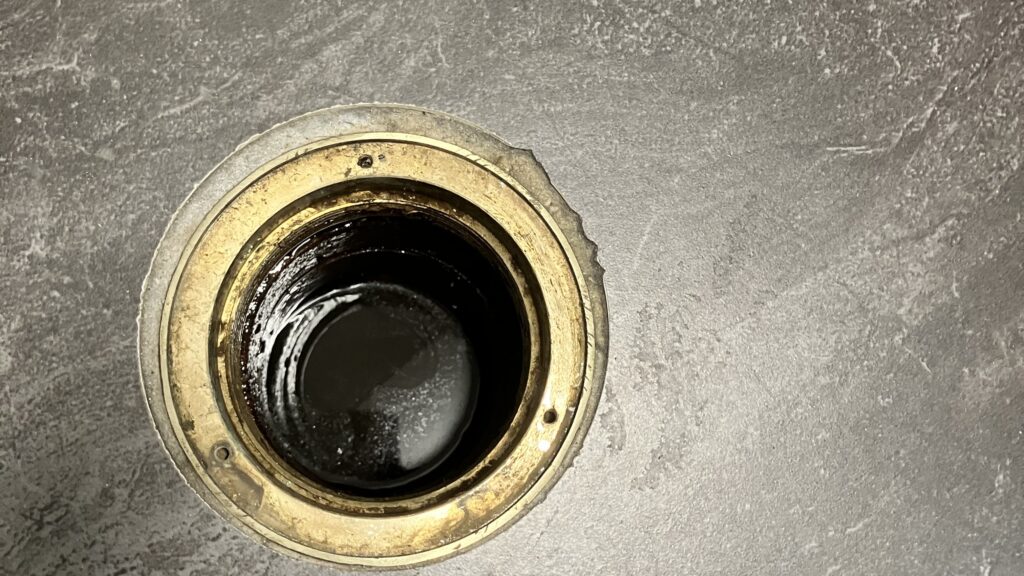
Commercial drains rarely attract much attention when they are working properly. But when a floor drain overflows, a restroom sink backs up, or sewer odors begin spreading through the building, the problem can quickly affect employees, customers, tenants, equipment, and normal business operations.
Drain issues often develop gradually. Grease, sediment, soap residue, food particles, scale, and other debris collect inside pipes over time. Early warning signs may be easy to overlook, especially when facility teams are managing many other priorities.
A proactive approach can help your business catch smaller concerns before they turn into disruptive plumbing emergencies. Universe offers commercial drain cleaning and plumbing services. Here are eight common commercial drain maintenance mistakes and practical ways to avoid them.
1. Waiting Until a Drain Completely Backs Up
One of the biggest mistakes a facility can make is treating drain service as an emergency-only need.
Most drain blockages do not appear overnight. Material builds up inside the piping until water can no longer pass through properly. By the time wastewater backs up into a kitchen, restroom, mechanical room, or occupied workspace, the underlying restriction may already be significant.
Common warning signs include:
- Water draining more slowly than usual
- Recurring clogs in the same fixture
- Gurgling sounds from sinks, toilets, or floor drains
- Sewer-like odors near drain openings
- Water pooling around floor drains
- Several fixtures developing problems at the same time
These symptoms provide an opportunity to investigate the system before a complete blockage occurs.
Create a Preventive Commercial Drain Maintenance Plan
Routine maintenance helps facilities identify and address developing problems on a more manageable schedule.
Depending on the property, a commercial drain maintenance plan may include:
- Scheduled drain cleaning
- Floor drain cleaning and inspection
- Grease line maintenance
- Drain camera inspections
- Catch basin and exterior drain service
- Hydro jetting when appropriate
- Documentation of recurring problem areas
The right maintenance frequency depends on the facility’s size, use, occupancy, operating hours, and plumbing demands. A restaurant may require more frequent grease line service, while a warehouse may need closer attention to floor drains and exterior drainage.
Universe can help you develop a maintenance approach that reflects how your facility is actually used. Schedule service today
2. Dismissing Slow Drains as a Minor Problem
A slow drain may still be working, but that does not mean the line is clear.
Slow drainage often indicates that material has begun restricting the pipe. The opening may be large enough for water to pass through, but the blockage can continue growing until the drain stops working entirely.
Commercial drain buildup may include:
- Fats, oils, and grease
- Food particles
- Soap and cleaning residue
- Hair and personal care products
- Mineral scale
- Dirt and sediment
- Paper products or wipes
- Debris from facility operations
A drain that repeatedly slows down after being cleared deserves additional attention. The issue may be located deeper in the line or caused by something more significant than buildup near the fixture.
Respond to Early Drain Warning Signs
Employees, tenants, and maintenance personnel should be encouraged to report drainage changes as soon as they notice them.
Professional evaluation may be appropriate when:
- The same fixture repeatedly becomes clogged
- Multiple drains are moving slowly
- Water backs up into another sink or drain
- Odors return after routine cleaning
- A drain makes unusual gurgling sounds
- Drain performance suddenly changes
Addressing a partial blockage is generally less disruptive than responding after wastewater begins overflowing into the facility.
3. Using Chemical Drain Cleaners as a Routine Solution
Chemical drain cleaners may seem convenient, especially when a business needs to restore a sink or drain quickly. However, they rarely provide a complete commercial drain cleaning solution.
A chemical product may burn or push a small opening through part of the blockage without removing the material coating the pipe walls. This can create temporary improvement while leaving much of the underlying buildup in place.
Repeated chemical use may also:
- Contribute to pipe deterioration
- Affect certain seals, fittings, or plumbing materials
- Create strong fumes
- Increase the risk of chemical splashing
- Leave hazardous material trapped behind a blockage
- Make later service more difficult
- Delay diagnosis of a larger problem
Facilities should also avoid mixing drain cleaning products, which can create dangerous chemical reactions.
Match the Cleaning Method to the Drain Problem
Commercial plumbing systems often require professional equipment and a cleaning method selected for the pipe’s condition.
Depending on the situation, a technician may recommend:
- Mechanical drain snaking
- Specialized cutting equipment
- Drain line flushing
- Hydro jetting
- Video camera inspection
- Repair of a damaged pipe section
Hydro jetting uses high-pressure water to remove material from the inside walls of a drain line. It may be effective for clearing grease, sludge, mineral deposits, sediment, and recurring buildup.
Not every cleaning method is appropriate for every pipe. A professional assessment can help determine the safest and most effective approach for the facility.
4. Allowing Grease to Enter the Drain System
Fats, oils, and grease are common sources of commercial drain blockages. Food-service businesses face the greatest risk, but grease problems can also affect schools, healthcare properties, hospitality facilities, office cafeterias, and other buildings with commercial kitchens.
Grease may enter a drain while it is warm and fluid. As it cools, it hardens and begins adhering to the inside of the pipe.
Over time, grease can catch food particles and other debris, creating thicker layers of buildup. This can lead to:
- Slow kitchen sinks
- Recurring grease line clogs
- Drain odors
- Grease trap overflows
- Wastewater backups
- Sanitation concerns
- Interruptions during busy operating periods
A grease trap can help protect the plumbing system, but it still needs to be inspected, cleaned, and serviced at appropriate intervals.
Build Better Grease Management Habits
Preventing grease from entering the drain system is more effective than repeatedly removing it afterward.
Commercial kitchens and food-service operations should consider practices such as:
- Scraping food scraps into waste containers
- Collecting cooking oil for proper disposal
- Using sink strainers where appropriate
- Keeping grease out of floor drains
- Training food-service and cleaning employees
- Posting disposal instructions near sinks
- Cleaning grease traps on schedule
- Maintaining records of grease trap service
- Scheduling grease line cleaning when needed
Facilities should review these procedures periodically, especially when new employees join the team or food-service operations expand.
5. Treating Recurring Clogs Without Inspecting the Pipe
Repeatedly clearing the same drain may restore flow temporarily, but it does not always explain why the problem keeps coming back.
Some commercial drain issues occur below the surface and cannot be identified by looking into the fixture. The line may contain heavy buildup, structural damage, corrosion, root intrusion, a foreign object, or a section of piping that no longer drains correctly.
Possible hidden conditions include:
- Cracked or broken pipes
- Corroded pipe walls
- Misaligned pipe connections
- Tree root intrusion
- Sagging or low sections
- Partially collapsed piping
- Construction debris
- Foreign objects
- Large deposits of grease or scale
Without an accurate diagnosis, a facility may spend time and money treating the same symptom over and over.
Use Camera Inspections to Find the Source
A commercial drain camera inspection provides a closer view inside the piping system.
Video inspection can help a facility team:
- Locate a blockage
- Identify the material restricting the pipe
- Evaluate visible pipe damage
- Determine whether cleaning is likely to help
- Plan a targeted repair
- Document the condition of underground lines
- Prioritize plumbing work within a maintenance budget
- Reduce unnecessary exploratory work
Camera inspections can be particularly helpful when a drain repeatedly backs up, an older property is being renovated, or a business needs more information before approving a larger repair.
6. Leaving Floor Drains Out of the Maintenance Schedule
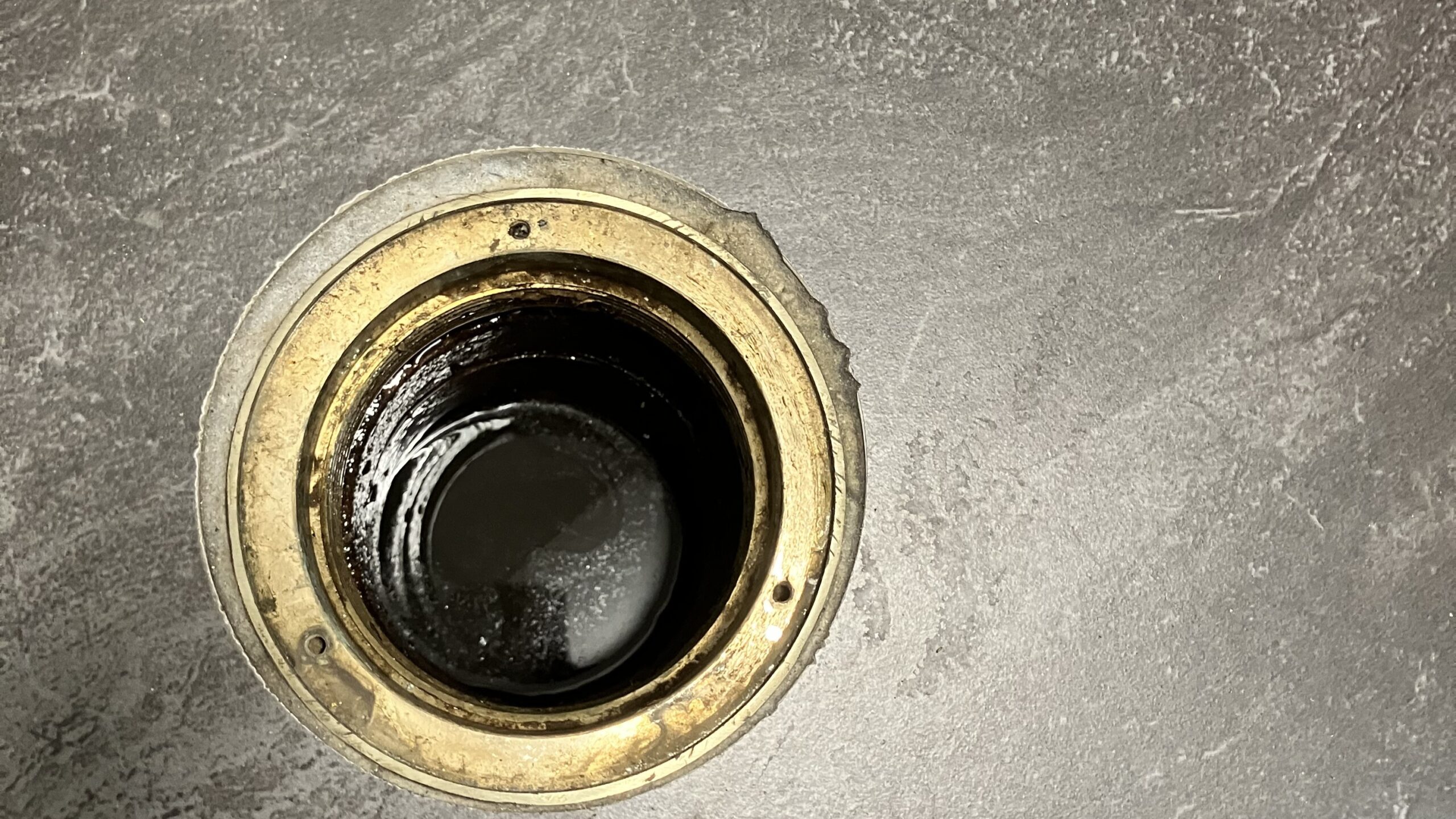
Floor drains are easy to forget because many of them are rarely used during normal operations. However, they may become essential during equipment leaks, cleaning work, heavy water use, plumbing failures, or severe weather.
A floor drain that has not been maintained may be unable to handle water when it is needed most.
Common sources of floor drain buildup include:
- Dirt and dust
- Grease
- Soap residue
- Sediment
- Mop water contaminants
- Production debris
- Small pieces of trash
- Materials stored or washed nearby
Floor drain traps may also dry out when drains are not used regularly, allowing unpleasant sewer odors to enter the facility.
Include Floor Drains in Routine Facility Checks
Floor drains may be located in:
- Commercial kitchens
- Mechanical rooms
- Boiler rooms
- Restrooms
- Locker rooms
- Warehouses
- Laundry areas
- Manufacturing spaces
- Healthcare facilities
- Parking garages
- Loading areas
Facility teams should maintain an inventory of floor drain locations and keep them accessible. Boxes, equipment, shelving, and supplies should not block drains that may need to collect water during an emergency.
A basic floor drain inspection may include:
- Removing visible debris
- Checking how quickly water drains
- Watching for standing water
- Investigating persistent odors
- Confirming the drain is accessible
- Looking for nearby leaks
- Scheduling cleaning when buildup is present
Regular attention helps ensure floor drains are prepared to perform when the facility needs them.
7. Assuming Employees Know What Belongs in a Drain
Many commercial drain problems begin with everyday disposal habits.
Employees, tenants, contractors, cleaning crews, and visitors may place materials into sinks, toilets, or floor drains without realizing the plumbing system cannot handle them. Even products marketed as disposable or flushable can contribute to blockages in commercial piping.
Materials that commonly create problems include:
- Fats, oils, and grease
- Food waste
- Paper towels
- Cleaning wipes
- Feminine hygiene products
- Personal care products
- Shop towels and rags
- Packaging materials
- Construction debris
- Chemicals not approved for drain disposal
A professional maintenance program can only do so much if inappropriate materials continue entering the plumbing system each day.
Make Drain Protection Part of Employee Training
Clear, simple guidance can help reduce preventable drain issues.
Businesses can support better habits by:
- Posting disposal instructions near sinks and toilets
- Providing clearly labeled waste containers
- Training kitchen and custodial employees
- Reviewing procedures with outside contractors
- Identifying materials that require special disposal
- Explaining how to report slow drains and leaks
- Making reporting responsibilities clear
- Including drain practices in new-hire training
Employees should not be expected to diagnose plumbing problems. They should simply know what to avoid and who to contact when something appears unusual.
Early reports from building occupants can give facility teams valuable time to respond before operations are affected.
8. Forgetting to Prepare Drains for Seasonal Conditions
Commercial drainage needs can change throughout the year.
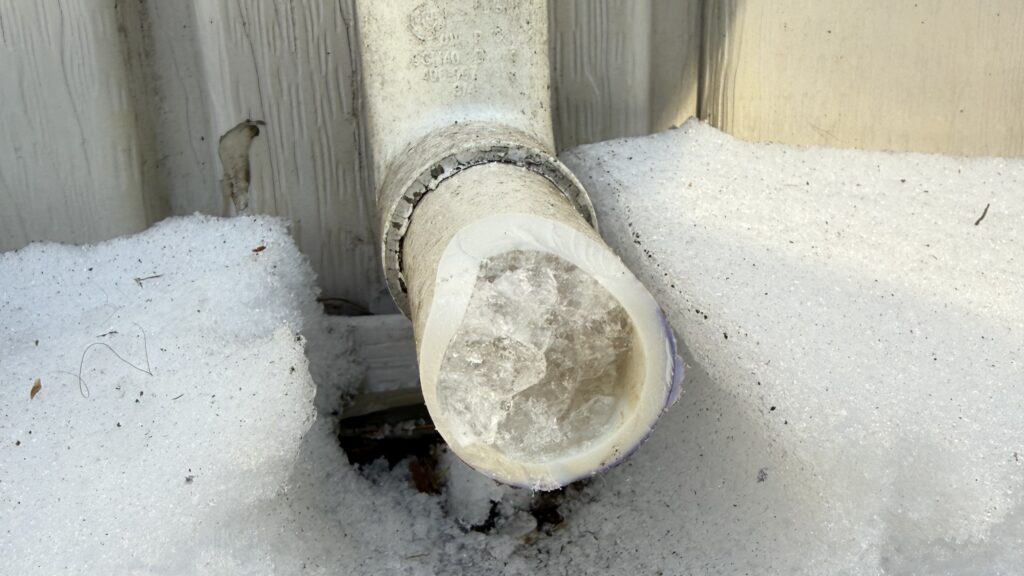
On Long Island and across the greater New York service area, heavy rain, fallen leaves, snow, ice, freezing temperatures, and spring thaw can affect exterior drains, catch basins, floor drains, and underground lines.
Exterior drainage openings may become blocked by:
- Leaves
- Dirt and sediment
- Mulch
- Trash
- Gravel
- Snow
- Ice
- Landscaping debris
Seasonal changes can also affect how a building is used. Restaurants and hospitality facilities may experience busier periods, while schools, offices, and other properties may have changing occupancy levels.
Schedule Maintenance Before High-Risk Periods
Seasonal drain preparation may include:
- Clearing exterior drain openings
- Cleaning catch basins
- Removing leaves and sediment
- Inspecting floor drains
- Evaluating areas with a history of flooding
- Checking drainage near loading areas
- Reviewing exposed piping before freezing weather
- Scheduling cleaning before high-use periods
- Confirming emergency plumbing procedures
It is much easier to clear an exterior drain during routine maintenance than during a storm when water is already collecting around the building.
Help Protect Your Facility From Drain Disruptions
Commercial drain systems support sanitation, workplace safety, equipment operation, and normal business activity. When they are maintained properly, they work quietly behind the scenes. When they are neglected, a single blockage can affect several areas of the property at once.
A proactive commercial drain maintenance program can help your business:
- Reduce unexpected backups
- Limit emergency service calls
- Protect equipment, inventory, and finished surfaces
- Identify damaged or aging pipes
- Improve drainage reliability
- Plan service around operating hours
- Extend the useful life of plumbing infrastructure
- Reduce inconvenience for employees, customers, and tenants
The most effective maintenance plans combine professional drain service with good everyday practices throughout the facility.
Partner With Universe for Commercial Drain Service
Universe helps commercial property owners and facility teams address drain problems with practical recommendations and professional service.
Our commercial drain capabilities include:
- Routine drain cleaning
- Hydro jetting
- Drain camera inspections
- Floor drain service
- Grease line cleaning
- Troubleshooting recurring backups
- Preventive maintenance planning
- Commercial plumbing support
Whether you are responding to a slow drain or developing a more proactive maintenance schedule, our team can evaluate the situation, explain what we find, and help you determine the next step.
Don’t wait until a small drainage concern interrupts your business. Contact Universe to schedule commercial drain cleaning today
Frequently Asked Questions
Commercial Drain Maintenance
How often should a commercial property schedule drain maintenance?
Commercial drain maintenance frequency depends on the type of facility, plumbing usage, occupancy, and materials entering the system. Restaurants, healthcare facilities, schools, hospitality properties, and other high-use buildings may need service more frequently than smaller offices or retail spaces. A technician can evaluate the facility and recommend a schedule based on its actual drainage demands.
What are the warning signs of a commercial drain blockage?
Common warning signs of a commercial drain blockage include slow drainage, recurring clogs, gurgling sounds, unpleasant odors, water collecting near floor drains, and backups affecting multiple fixtures. Addressing these changes early can help reduce the risk of a larger plumbing disruption.
Is hydro jetting suitable for commercial drain cleaning?
Hydro jetting may be suitable for commercial drain lines affected by grease, sludge, sediment, mineral deposits, and recurring buildup. The process uses controlled, high-pressure water to clean the interior pipe walls. A technician should first evaluate the piping to confirm that hydro jetting is appropriate for its age, material, and condition.
Why does the same commercial drain keep clogging?
A commercial drain may repeatedly clog because buildup remains deeper inside the line or the pipe has an underlying problem. Possible causes include grease accumulation, mineral scale, corrosion, root intrusion, damaged piping, misaligned connections, or a sagging pipe section. A drain camera inspection can help identify the source of the recurring issue.
What should employees avoid putting down commercial drains?
Employees should avoid putting fats, oils, grease, food scraps, paper towels, wipes, personal care products, shop rags, packaging materials, construction debris, and unapproved chemicals down commercial drains. Clear disposal procedures and employee training can help prevent avoidable blockages.
Why should floor drains be included in a commercial maintenance plan?
Commercial floor drains help manage water from cleaning, equipment leaks, plumbing failures, mechanical system issues, and other unexpected events. Routine inspection and cleaning help ensure the drains remain accessible and ready to carry water away when needed.
Can chemical drain cleaners damage commercial plumbing?
Repeated use of chemical drain cleaners may contribute to pipe deterioration, damage certain seals or fittings, create hazardous fumes, and leave chemicals trapped behind a blockage. These products may also provide only temporary improvement without removing buildup from the pipe walls. Professional drain cleaning provides a more complete solution.