An AC capacitor may be failing if your air conditioner hums but does not start, starts slowly, shuts off quickly, blows warm air, or has an outdoor fan that will not spin. The capacitor is a small electrical part, but it helps the compressor and fan motors start and keep running during a cooling cycle.
For Long Island homeowners, these symptoms often show up during humid summer weather, when the AC has to start and run more often.
This is an HVAC repair issue, not a do-it-yourself repair. Capacitors can involve stored electrical energy, so testing and replacement should be handled by a trained technician. If you notice capacitor-related symptoms, schedule AC repair with Universe instead of opening the outdoor unit yourself.
What should homeowners check before peak season?
Homeowners should check the filter, thermostat, outdoor-unit clearance, and system startup before peak cooling season. If the AC starts slowly, hums, clicks, or sounds different, schedule service before summer demand rises.
Capacitor problems often show up when the system is working harder. On Long Island, that can happen when wet spring weather gives way to humid summer days across Nassau and Suffolk Counties. Coastal air and salt exposure can also be harder on outdoor equipment in some areas.
Before peak season, use this simple check:
- Listen during startup. A healthy system should start without long humming or repeated clicking.
- Check the thermostat. Make sure it is set to cool and the schedule is correct.
- Replace a dirty filter. Restricted airflow can make AC problems worse.
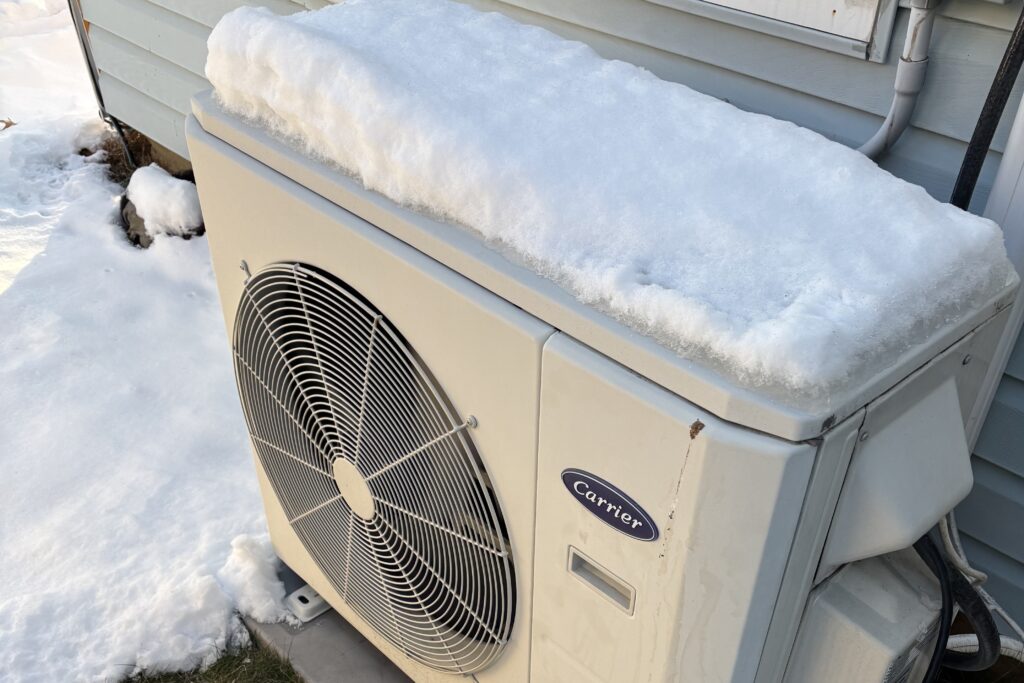
- Clear the outdoor unit. Remove leaves, grass clippings, and debris around the condenser.
- Watch for short cycling. Frequent starts and stops can point to a system issue.
What signs mean your HVAC system needs attention?
Your HVAC system needs attention when the AC hums but will not turn on, starts slowly, shuts off quickly, blows warm air, or has a fan that does not spin.
Common bad AC capacitor symptoms include:
- Outdoor unit humming but not starting
- AC clicking, then stopping
- Cooling starts slowly or feels delayed
- Outdoor fan not spinning
- Warm air from vents
- AC turns on, then shuts off too soon
- Burning smell or unusual electrical odor
- Breaker trips after the system tries to start
- System runs, but cooling feels weaker than usual
Some of these symptoms can overlap with other AC problems. A failed motor, dirty coil, loose electrical connection, low refrigerant charge, or control issue can also affect startup and cooling.
Bottom line — a capacitor may be the issue, but the whole system still needs a safe diagnosis.
What can you safely check before calling?
You can safely check the thermostat setting, filter, breaker position, and outdoor-unit condition before calling. Do not open the AC cabinet, touch wiring, or try to test the capacitor yourself.
Use this homeowner-safe checklist:
- Thermostat: Confirm the system is set to cool and the setpoint is below the room temperature.
- Filter: Replace a dirty filter with the correct size and type.
- Breaker: If it tripped once, reset it once. If it trips again, stop and call.
- Outdoor unit: Clear debris around the condenser.
- System behavior: Note whether the unit hums, clicks, starts slowly, or shuts off quickly.
Safety note — stop at the safe checks if you notice:
- Burning smells
- Loud electrical buzzing
- Repeated breaker trips
- Visible damage
- Ice on the system
- Fan not spinning while the unit hums
Those signs need professional service. Universe also offers 24/7 emergency AC and emergency electrical service.
When should you call a professional?
Call a professional when the AC hums but will not start, the fan will not spin, the breaker trips, the system short cycles, or cooling stops during hot weather. That’s a call for an HVAC technician.
A technician can:
- Test the capacitor safely
- Inspect contactors and wiring
- Check the fan motor and compressor
- Confirm whether the issue is truly capacitor-related
- Make sure the system starts and runs safely after repair
Capacitors help AC compressor and fan motors start and run, which is why capacitor diagnosis belongs inside the equipment service process.
If your AC started humming, clicking, or shutting off during the last hot day, schedule a diagnostic visit with Universe before the next one hits
When should you repair vs. replace?
AC repair is usually the right path when the capacitor is the main failed part and the rest of the AC system is in good condition. AC replacement becomes a larger conversation when capacitor failure is paired with age, repeated breakdowns, weak cooling, or major component issues.
A capacitor is a repairable component. It should not automatically trigger a replacement conversation. But it also should not be viewed alone.
Repair may make sense when:
- The failed part is isolated
- The system has a limited repair history
- Cooling performance was strong before the issue
- The fan motor and compressor test normally
- The system still fits the home’s cooling needs
Replacement may be worth reviewing when:
- Repairs keep returning
- The system struggles every summer
- Comfort stays uneven after service
- Major parts are failing
- The system is older and less reliable
- Repair costs are stacking up
What affects HVAC costs in New York and Long Island?
HVAC costs for AC capacitor service depend on the diagnosis, part type, system access, related electrical components, and whether the capacitor issue affected the fan motor or compressor.
Common cost drivers include:
- The diagnosis: capacitor-only issue vs. a larger electrical or motor problem.
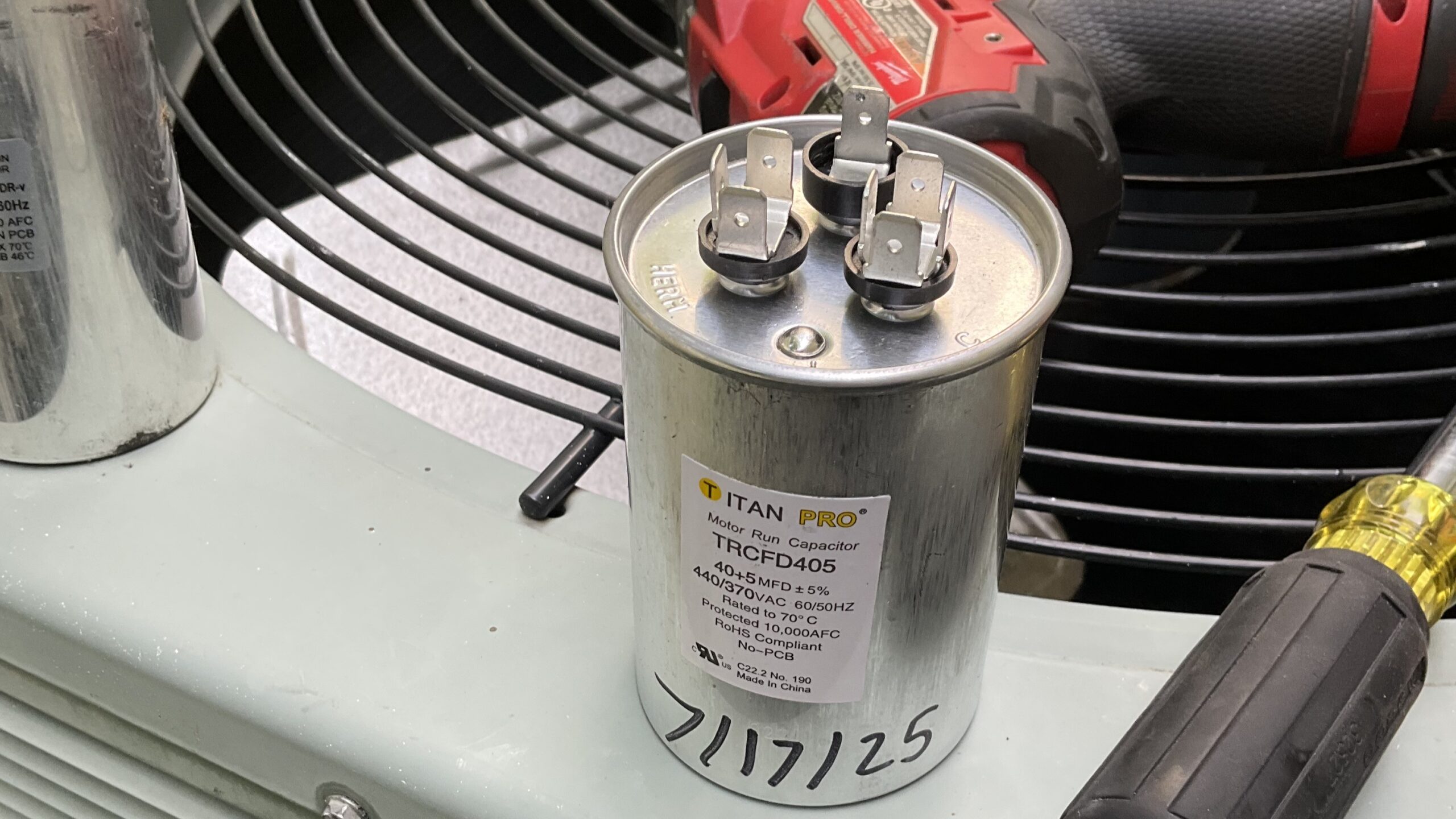
- Part type: start capacitor, run capacitor, or dual-run capacitor.
- System access: outdoor unit placement, tight side yards, rooftops, or mechanical-room layout.
- Related components: contactor, wiring, fan motor, compressor, or control board.
- System age: older units may need more careful repair-or-replace review.
- After-repair testing: the technician should confirm safe startup and operation.
Older Long Island homes can add access challenges. A Nassau County home with a tight side yard may have different service access than a Suffolk County home with a larger outdoor equipment area. Converted spaces, older ductwork, and additions can also affect comfort and system planning.
How can maintenance reduce capacitor-related surprises?
AC maintenance can reduce surprises by checking overall AC condition before the system reaches peak summer demand. It cannot prevent every capacitor failure, but it can reveal early signs of wear, electrical concerns, airflow issues, and system stress.
A maintenance visit may help identify:
- Weak startup behavior
- Worn electrical components
- Dirty outdoor coils
- Blocked airflow
- Condensate drainage issues
- Thermostat problems
- Loose connections
- System performance concerns
For ongoing care, review Universe’s Home Comfort Club maintenance plan. If your AC is already failing to start, schedule repair rather than waiting for routine maintenance.
What should you do next if you notice AC capacitor failure signs?
If you notice AC capacitor failure signs, stop at safe checks and schedule professional AC repair. Do not open the outdoor cabinet or handle electrical parts.
Here’s the practical next step:
- Check the thermostat.
- Replace a dirty filter.
- Check the breaker once.
- Clear the outdoor unit.
- Stop if the system hums, clicks, trips the breaker, or will not start.
- Schedule service with Universe.
A technician can test the capacitor safely, inspect related parts, and explain whether a targeted repair or broader system conversation makes sense.
Schedule service with Universe now before peak summer demand hits
Frequently Asked Questions
What are common AC capacitor failure signs?
Common AC capacitor failure signs include humming without startup, delayed startup, short cycling, warm air, an outdoor fan that will not spin, or a system that shuts off unexpectedly. These symptoms can also overlap with motor, wiring, or compressor issues, so professional diagnosis is important.
Why is my AC humming but not turning on?
An AC humming but not turning on may have a capacitor, motor, compressor, or electrical-control issue. A capacitor helps provide the electrical support AC motors need to start and run, so testing should be handled by an HVAC technician.
Why does my AC keep shutting off?
An AC that keeps shutting off may have a capacitor problem, airflow issue, thermostat issue, electrical fault, or other system concern. If the system short cycles, trips the breaker, or fails to cool, stop resetting it repeatedly and schedule service.
Can I replace an AC capacitor myself?
AC capacitor replacement should not be treated as a homeowner DIY repair because capacitors are electrical components that can store energy. Homeowners can safely check thermostat settings, filters, breakers, and outdoor-unit clearance, but capacitor testing and replacement should be done by a trained technician.
How long does an AC capacitor last?
AC capacitor lifespan varies by system use, heat exposure, electrical stress, part quality, and maintenance history. Because lifespan varies, warning signs such as humming, delayed startup, or short cycling are more useful than relying on a fixed year count.
When should I replace an AC capacitor?
An AC capacitor should be replaced when professional testing confirms that it has failed or is outside the correct operating range. If the system also has motor, compressor, or wiring issues, the technician should explain whether a capacitor replacement alone will restore reliable cooling.