Your HVAC system works hardest during humid summer stretches and cold winter periods. You can help extend HVAC system life by keeping airflow clear, changing dirty filters, using steady thermostat settings, and arranging maintenance before peak demand.
For Long Island homeowners, high summer humidity can keep cooling equipment running for long periods. In Rockland County, warm summers and cold winters can create heavy seasonal workloads. Regular attention cannot prevent every repair, but it can reduce avoidable strain and help you notice trouble earlier.
What maintenance helps an HVAC system last longer?
The most useful HVAC maintenance protects airflow, keeps components clean, and finds developing problems before high-use months. Filters, coils, fins, and refrigerant lines are all important air-conditioning maintenance areas.
Start with these basic habits:
- Inspect the filter regularly.
- Replace or clean it according to the equipment and filter instructions.
- Keep return grilles and supply vents open and unobstructed.
- Remove leaves, grass, and other debris from around outdoor equipment.
- Use thermostat schedules that avoid repeated, extreme temperature changes.
- Schedule professional maintenance before the busiest heating or cooling season.
Schedule preseason heating & cooling maintenance with Universe today
How often should you check the HVAC filter?
Check the filter about once a month during periods of heavy use, then replace or clean it when it is dirty or as the manufacturer directs.
A clogged filter restricts airflow. That can make the system work harder to move conditioned air through the home. ENERGY STAR advises homeowners to check filters monthly and notes that dirty filters can contribute to greater equipment strain.
Filter needs vary. Consider:
- The filter type and manufacturer instructions
- Whether the home has pets
- Recent renovation or construction dust
- Household allergy concerns
- How many hours the equipment runs
- Whether the home experiences seasonal outdoor dust or pollen
Do not automatically install the densest filter available. A filter that does not match the system may restrict airflow. Ask a technician or consult the equipment documentation when you are unsure.
What can homeowners safely check before calling?
Homeowners can safely check accessible filters, thermostat settings, vents, visible outdoor debris, and obvious water near the equipment.
Try this simple inspection:
- Check the thermostat. Confirm that it is in the correct mode and that the set temperature is reasonable.
- Look at the filter. Replace or clean it when required.
- Walk through the home. Confirm that supply vents and return grilles are not covered by rugs, furniture, or boxes.
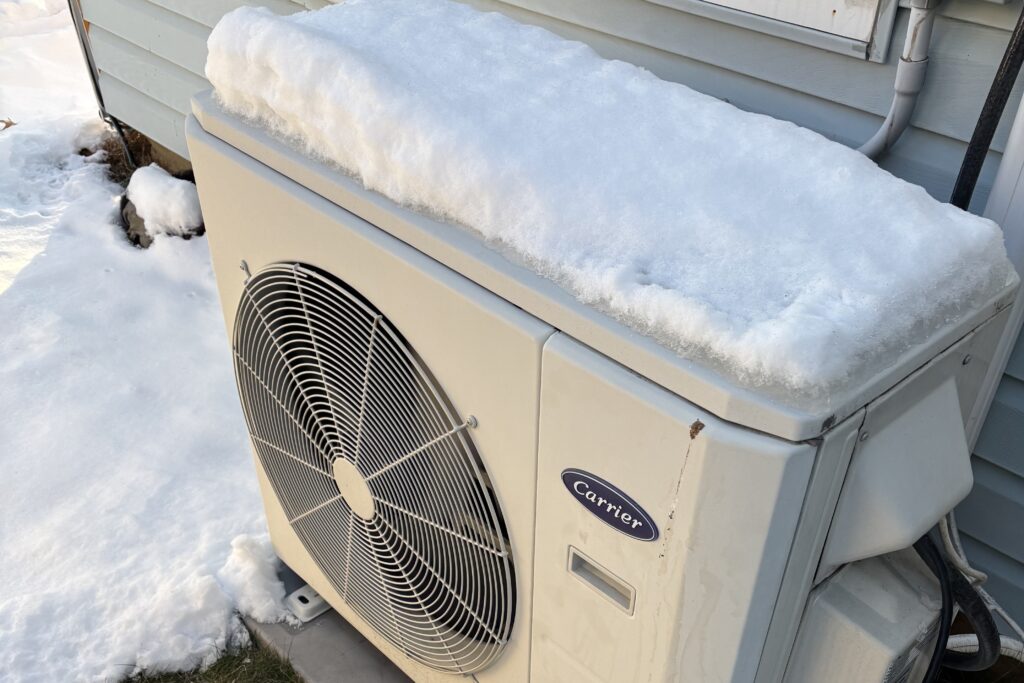
- Check the outdoor unit from a safe distance. Look for leaves, weeds, or other material blocking airflow.
- Listen to the system. Notice new rattling, grinding, buzzing, or repeated starting and stopping.
- Look for moisture. Water around indoor equipment or a drain line deserves attention.
Safety note: do not open electrical panels, touch exposed wiring, handle refrigerant components, or remove protective equipment covers. Refrigerant, electrical, combustion, and internal mechanical checks belong to a qualified professional.
How can you reduce HVAC strain during extreme weather?
Use steady settings and protect airflow instead of making the system recover from large temperature swings.
During high-usage months:
- Avoid setting the thermostat far below or above the current indoor temperature in hopes of faster results.
- Use programmed schedules that match when people are home.
- Close exterior doors and windows while the system runs.
- Use blinds or shades to reduce direct summer heat where practical.
- Address obvious air leaks around accessible doors and windows.
- Keep interior doors positioned as recommended for the home’s airflow design.
- Avoid blocking returns in older homes with compact room layouts.
Long Island’s humid summer weather can increase cooling and dehumidification demand. Coastal air and salt exposure may affect some Long Island properties, but those conditions do not apply to every home. Rockland County homes face their own pattern of humid summer days, winter cold, and seasonal freeze-thaw conditions.
In short, steady operation is usually easier on the system than repeated starts, stops, and aggressive thermostat changes.
What signs mean the HVAC system needs attention?
Weak airflow, unusual sounds, short cycling, leaks, uneven comfort, or repeated resets are signs that the HVAC system should be inspected.
Watch for:
- Some rooms staying much warmer or colder than others
- Airflow that feels weaker than usual
- A system that starts and stops every few minutes
- New banging, grinding, squealing, or electrical buzzing
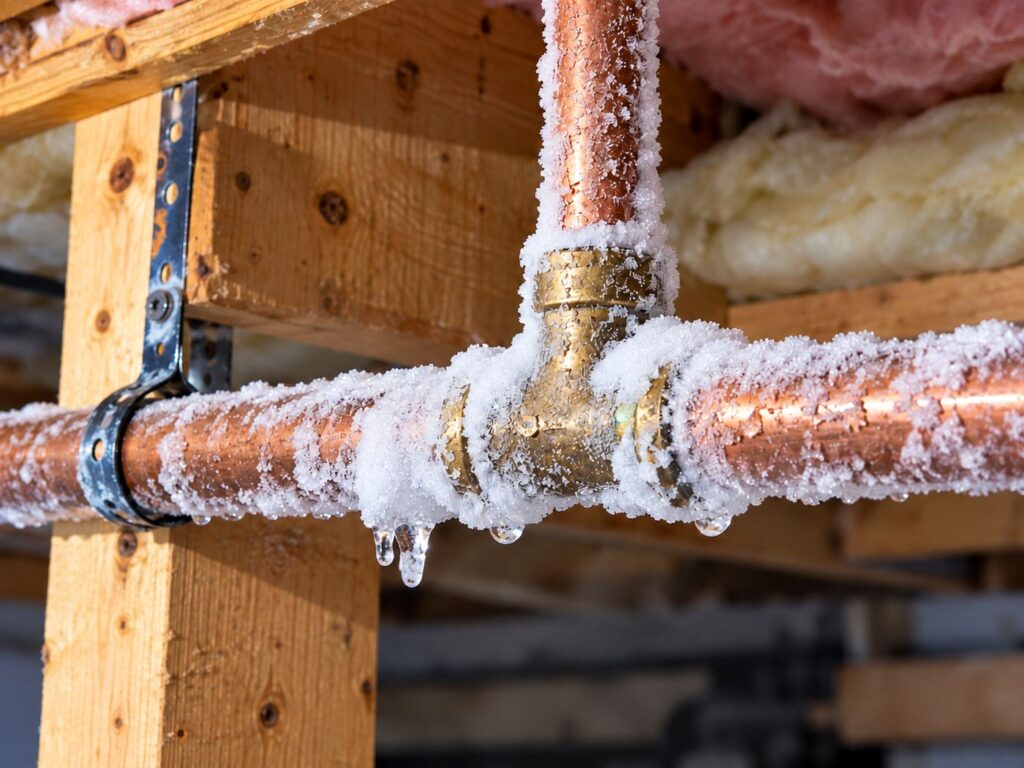
- Ice on visible refrigerant lines or cooling components
- Water near the indoor unit
- Burning, musty, or unusual odors
- A breaker that repeatedly trips
- A system that runs constantly without reaching the set temperature
Turn the system off and seek qualified help when you see electrical arcing, smoke, or other immediate hazards. Follow utility and emergency guidance when there is a suspected gas or carbon-monoxide concern. Universe offers 24/7 emergency HVAC and emergency electrical service.
Why does preseason professional maintenance matter?
Preseason maintenance gives a technician time to check operation before the system reaches its heaviest workload.
Professional maintenance may include tasks such as:
- Measuring airflow
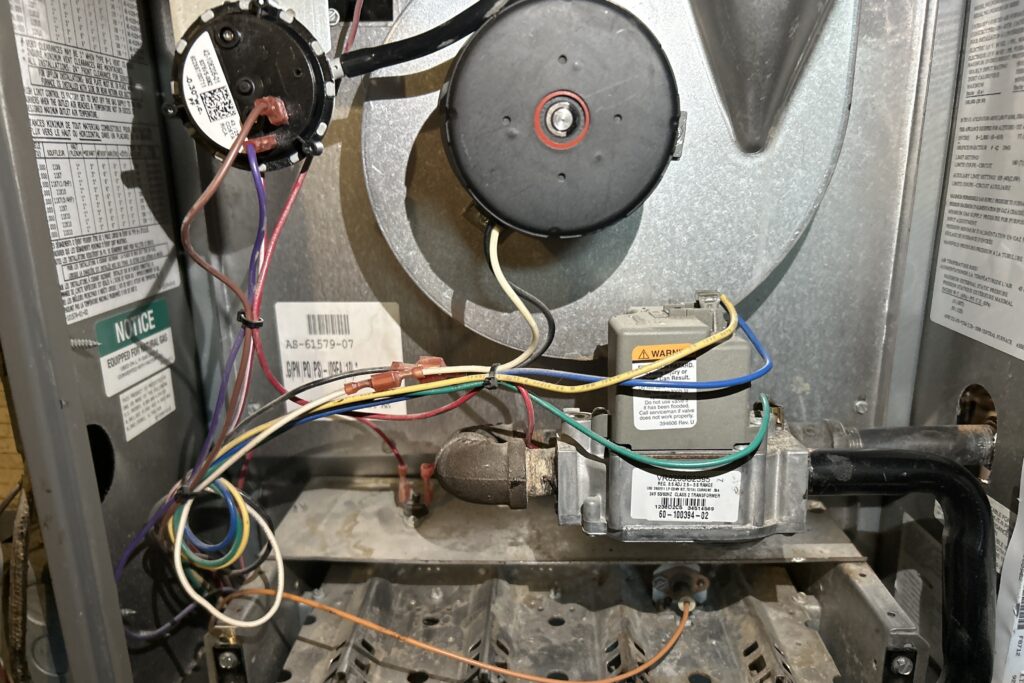
- Checking accessible electrical components
- Inspecting coils and other heat-transfer surfaces
- Checking condensate drainage
- Evaluating refrigerant charge when applicable
- Confirming safe startup and shutdown
- Looking for wear, corrosion, or loose connections
- Reviewing thermostat operation
A maintenance visit does not guarantee that a system will avoid every breakdown. It can, however, identify conditions that deserve attention before a long heat wave or winter cold period.
Make Maintenance Easier with Universe’s Home Comfort Club
For homeowners who want a simpler way to stay ahead of routine maintenance, Universe’s Home Comfort Club offers a whole-home membership designed to help keep essential systems running smoothly.
Members receive pre-scheduled maintenance visits, whole-home coverage options, savings on service work, exclusive membership scheduling, and support when unexpected issues arise.
It is a convenient way to plan care for heating, cooling, plumbing, and electrical systems while supporting efficiency, reducing the risk of surprise breakdowns, and helping equipment last longer.
Should an older HVAC system be repaired or replaced?
The repair-or-replacement choice depends on the equipment’s condition, repair history, comfort performance, efficiency, safety, and the cost and scope of the current problem.
Repair may make sense when:
- The issue is isolated and repairable.
- The equipment has otherwise operated reliably.
- Replacement parts remain available.
- The system still maintains reasonable comfort.
- The repair does not expose a larger safety or reliability concern.
Replacement deserves consideration when:
- Breakdowns are becoming frequent.
- Important parts are difficult to obtain.
- The system no longer maintains even temperatures.
- A major component has failed.
- The equipment is poorly matched to the home.
- There are significant safety or installation concerns.
- The repair cost is high compared with the value of the remaining system.
Age alone should not decide the answer. A technician should inspect the equipment and explain the condition, likely repair scope, and replacement considerations in plain language.
What affects HVAC repair or replacement costs?
HVAC costs depend on the equipment, problem, home layout, labor scope, access, controls, ductwork, and electrical requirements.
Common cost drivers include:
- The type and size of the heating or cooling system
- The failed part and its availability
- Diagnostic and labor requirements
- Equipment efficiency and feature level
- Duct repairs or airflow corrections
- Electrical-panel or circuit work
- Refrigerant type and required service
- Access to attics, basements, crawlspaces, or equipment closets
- Permit and inspection requirements
- Changes needed to properly size or install replacement equipment
Older Long Island Cape, ranch, and split-level homes can present different equipment-access and duct-layout conditions. Rockland County includes older homes, suburban developments, and newer construction, so the work scope can differ from one property to another. A home assessment is needed before quoting a repair or replacement project.
What is the best next step during high-usage months?
Start with the filter, airflow, thermostat, and visible equipment condition, then schedule service when warning signs remain.
Your practical checklist is:
- Check the filter.
- Clear vents and returns.
- Remove visible outdoor debris safely.
- Use steady thermostat settings.
- Write down new sounds, odors, leaks, or comfort changes.
- Arrange preseason maintenance.
- Ask for a clear repair-versus-replacement explanation when a major problem is found.
Schedule HVAC service with Universe today to keep your HVAC system in top shape before peak heating & cooling seasons
Frequently Asked Questions
How can homeowners extend HVAC system life?
Homeowners can help extend HVAC system life by maintaining clean filters, keeping vents and outdoor airflow clear, using steady thermostat settings, and arranging preseason maintenance. These steps reduce avoidable strain but do not prevent every repair. New sounds, leaks, weak airflow, or repeated cycling should be inspected by an HVAC professional.
How often should an HVAC filter be checked during high-use months?
An HVAC filter should generally be checked about once a month during high-use months and cleaned or replaced when dirty or as its manufacturer directs. ENERGY STAR advises monthly filter checks because restricted airflow can make heating and cooling equipment work harder.
What signs show that an HVAC system needs service?
Signs that an HVAC system needs service include weak airflow, uneven temperatures, unusual sounds, leaks, short cycling, repeated breaker trips, and equipment that runs without reaching the thermostat setting. Homeowners can check the filter and thermostat safely, but internal electrical, refrigerant, and combustion components should be left to a qualified professional.
When should HVAC maintenance be scheduled in New York?
HVAC maintenance in New York should be scheduled before the equipment’s busiest season, with cooling checks in spring and heating checks in fall. ENERGY STAR recommends annual preseason checkups because contractors often become busier once summer and winter arrive.
Should an older HVAC system be repaired or replaced?
An older HVAC system should be repaired or replaced based on its condition, repair history, comfort performance, safety, part availability, and the scope of the current problem. Age is only one consideration. A professional inspection can help the homeowner compare the current repair with likely future needs and a properly planned replacement.