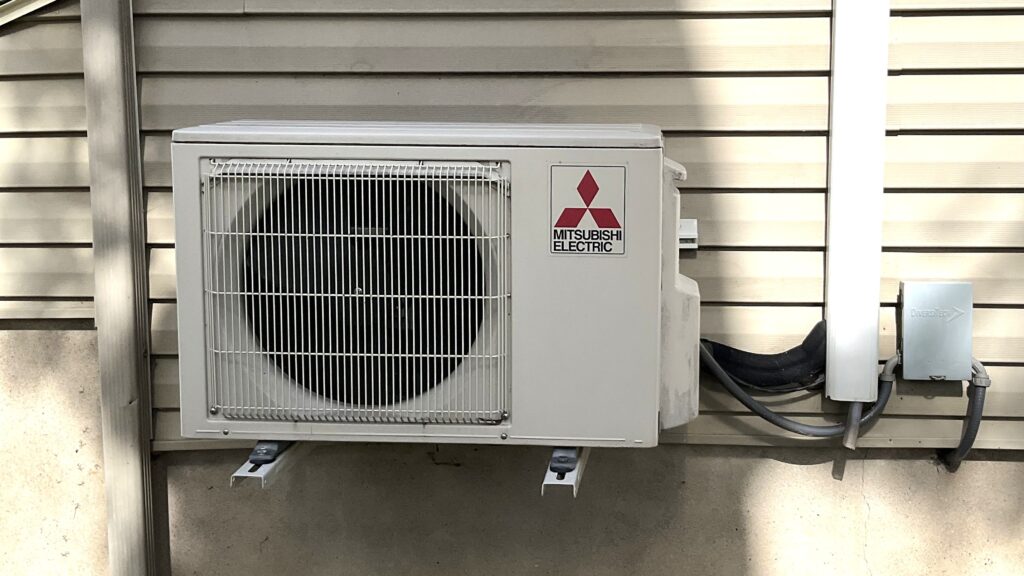

A properly selected cold climate air source heat pump is often one of the most efficient practical heating choices for a home. It transfers heat instead of creating all its heat through combustion and can also provide cooling. Ductless heat pumps offer similar advantages for homes or rooms without usable ductwork.
High-efficiency furnaces, boilers, and dual-fuel systems may still be sensible choices when they fit the home’s existing fuel, ducts, radiators, piping, and comfort needs.
Efficiency alone does not identify the right system for every house.
Homeowners should also consider:
- Floor plan and room use
- Electrical capacity
- Existing ducts or hydronic piping
- Fuel availability
- Winter performance
- Installation scope
- Maintenance
- Local energy rates
For Long Island and Rockland County homeowners, the goal is to choose a system that performs efficiently in the actual home, not simply the equipment with the strongest rating on paper.
Which common heating system is most efficient?
A cold climate air source heat pump is often among the most efficient practical choices for homes that can support the electrical and installation requirements.
A simple comparison looks like this:
- Cold-climate air source heat pump: Provides efficient electric heating and cooling through one system.
- Ductless mini-split heat pump: Offers efficient room-by-room heating and cooling without traditional ducts.
- Dual-fuel system: Combines a heat pump with a furnace and selects the heating source based on the system design.
- High-efficiency furnace: May fit homes with gas service and usable central ductwork.
- High-efficiency boiler: May suit homes with radiators, hydronic baseboards, or radiant-floor piping.
Equipment efficiency is only one part of the decision. Proper sizing, installation, airflow, controls, and the building envelope all affect comfort and energy use.
How does a heat pump compare with a furnace?
A heat pump can use energy more efficiently than a furnace because it transfers heat rather than producing heat through combustion.
An air source heat pump extracts heat from outdoor air and moves it indoors during winter.
A furnace burns fuel or uses electric resistance to create heat. Homeowners should compare more than the equipment label.
Important factors include:
- Local electricity and fuel prices
- Winter capacity
- Existing ductwork
- Electrical-panel capacity
- Backup heat
- Installation cost
- Venting and fuel connections
- Maintenance requirements
A heat pump also provides cooling. A furnace usually needs to be paired with a separate central air conditioner.
For homes with an existing furnace, a dual-fuel system may be considered. That configuration combines a heat pump with a furnace and changes the active heating source based on operating conditions.
Can heat pumps work during a New York winter?
Cold climate heat pumps are designed for low outdoor temperatures, but the selected equipment must match the home’s winter heating load.
ENERGY STAR’s cold climate designation includes low temperature capacity and efficiency criteria.
That distinction matters across both Universe markets:
- Long Island homes can experience cold winter periods, wet weather, coastal exposure in some communities, and older layouts with uneven ducts.
- Rockland County homes can experience colder winter conditions, freeze-thaw cycles, and a mix of older homes, suburban developments, and newer construction.
A contractor should compare the equipment’s low temperature output with the home’s calculated heat loss.
A unit that is too small may rely too heavily on supplemental heat. An oversized unit may cycle poorly or provide less even comfort.
When is a ductless mini-split an efficient choice?
A ductless mini-split can be an efficient choice when a home lacks usable ducts or needs separate temperature zones.
Ductless systems use one or more indoor units connected to an outdoor heat pump unit.
Ductless heating may work well for:
- Home additions
- Converted attics
- Finished garages
- Rooms that stay colder than the rest of the home
- Houses with radiators or baseboards
- Areas where extending ducts would be difficult
- Households that want individual comfort zones
Cape, ranch, and split level homes on Long Island can have rooms with different heating needs. Rockland County homes may also include additions, finished lower levels, or varied floor plans.
A ductless design can address selected spaces without rebuilding the entire distribution system.
Planning should include:
- Indoor unit placement
- Appearance
- Condensate drainage
- Refrigerant line routing
- Outdoor unit access
- Cold weather performance
- Maintenance access
When does a dual fuel system make sense?
A dual fuel system may make sense when a homeowner wants heat pump efficiency during moderate weather and furnace heat under selected colder conditions.
A dual fuel system combines:
- An air source heat pump
- A compatible furnace
- Controls that determine when each system operates
This approach may fit a home with:
- Existing gas service
- Central ducts
- A planned heat pump cooling system
- A preference for two heating sources
- Concerns about very low outdoor temperatures
A proposal should explain:
- The changeover temperature
- How both systems are sized
- Which system runs under different conditions
- Expected maintenance
- Electrical and fuel requirements
- How local rates affect operating decisions
More equipment does not automatically mean better performance. The system should serve a clear comfort or operating purpose.
Are furnaces and boilers still efficient options?
Modern furnaces and boilers can remain practical choices when they match the home’s existing distribution system and available fuel.
A furnace may be practical when the home already has:
- Natural gas service
- Ductwork in good condition
- Space for heating and cooling equipment
- A layout that receives even airflow
A boiler may be practical when the home uses:
- Radiators
- Hydronic baseboards
- Radiant floors
- Existing piping in serviceable condition
Furnace and boiler labels commonly report annual fuel utilization efficiency, or AFUE. A higher AFUE means more of the fuel’s energy is converted into usable heat under the rating method.
Still, AFUE does not show the full home system performance.
Homeowners should also consider:
- Duct leakage
- Piping condition
- Insulation
- Controls
- Zoning
- Room-by-room comfort
- Venting
- Maintenance history
How do gas and electric heating systems compare?
Gas and electric heating systems should be compared by technology, installation needs, energy rates, and the home, not by fuel name alone.
Electric heating can include:
- Central air source heat pumps
- Ductless mini-splits
- Electric furnaces
- Electric resistance baseboards
- Electric radiant floors
These systems do not use electricity in the same way. Heat pumps transfer heat. Resistance systems convert electricity directly into heat.
Gas heating usually uses a furnace or boiler. It also requires planning for:
- Fuel service
- Venting
- Combustion air
- Equipment clearances
- Carbon monoxide protection
- Mechanical room space
The most efficient choice on paper may not be the most cost-effective choice in every home. Local rates, system condition, installation work, and household use all matter.
What is the most cost effective way to heat a house?
The most cost effective way to heat a house depends on the total installation, energy use, maintenance, and supporting work.
A heat pump may use less energy than resistance heating or some combustion systems, but operating cost varies by:
- Electricity rates
- Fuel prices
- Home insulation
- Equipment performance
- Winter temperatures
- Thermostat settings
- Household use
- Backup heat operation
A furnace or boiler may remain practical when the home already has compatible fuel service and distribution equipment.
Homeowners should compare complete project proposals rather than equipment price alone.
What is the practical next step?
The practical next step is to compare systems using the home’s actual heating load, layout, and existing infrastructure.
A cold climate central or ductless heat pump can offer efficient heating and cooling.
A high-efficiency furnace or boiler may remain sensible when it fits the home’s fuel and distribution system.
A dual-fuel design may fit homes that benefit from both a heat pump and furnace.
Schedule service with Universe to review options for your Long Island or Rockland County home
Frequently Asked Questions
What is the most efficient heating system for a house?
A cold climate air source heat pump is often one of the most efficient practical heating systems for a house because it transfers heat and can also provide cooling. The right choice depends on the property, winter load, insulation, ducts, electrical capacity, available fuel, and installation scope.
Are heat pumps efficient during Long Island and Rockland County winters?
Cold climate heat pumps can provide efficient heating during Long Island and Rockland County winters when the equipment is selected for the home’s low temperature heating load. Proper sizing, insulation, airflow, and backup heat planning affect real world performance.
Is a heat pump more efficient than a gas furnace?
A heat pump can use energy more efficiently than a gas furnace because the heat pump transfers heat instead of producing heat through combustion. Operating cost is a separate question and depends on electricity rates, fuel prices, climate, equipment performance, backup heat, and the home.
When is a dual fuel heating system efficient?
A dual fuel heating system can be efficient when a heat pump handles moderate conditions and a furnace operates under selected colder conditions. The design should explain the changeover point, equipment sizing, controls, fuel use, electrical needs, and maintenance.
Are ductless mini-splits efficient for heating?
Ductless mini-splits can provide efficient heating because they use heat pump technology without traditional ducts. They may fit additions, homes with radiators, or rooms with different comfort needs.
Are high efficiency furnaces and boilers still practical?
High-efficiency furnaces and boilers can remain practical when they match the home’s fuel source and distribution system. A furnace may fit central ducts, while a boiler may fit radiators, hydronic baseboards, or radiant floors. Duct, piping, venting, and control conditions also matter.
What is the most cost-effective way to heat a house?
The most cost-effective way to heat a house depends on installation cost, energy rates, equipment efficiency, maintenance, and the home’s condition. Homeowners should compare total project scope, expected operating conditions, and available fuel rather than equipment price alone.
Should I replace my furnace with a heat pump?
Replacing a furnace with a heat pump may make sense when the heat pump can meet the home’s winter load and the electrical and distribution systems support the change. Some homes may benefit from a dual fuel design. A professional assessment should compare capacity, insulation, ducts, electrical needs, and operating conditions.