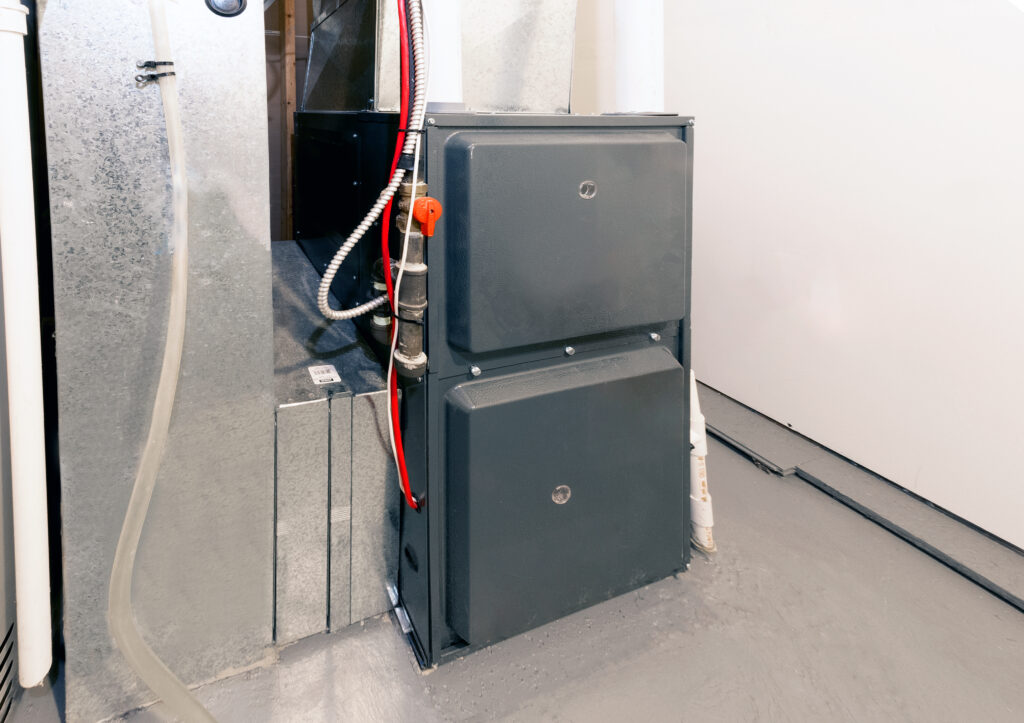
If your furnace starts, runs briefly, shuts down, and then starts again, it may be short cycling. Short cycling means the furnace stops before completing a normal heating cycle. Possible causes can include restricted airflow, thermostat problems, overheating or safety controls, venting issues, and improper furnace sizing.
For homeowners on Long Island and in Rockland County, frequent cycling may become easier to notice once colder weather puts the heating system under steadier demand.
The first step is not to guess which part has failed. Check the few things you can safely inspect, then have the furnace professionally evaluated by Universe if the pattern continues.
Why does a furnace keep turning on and off?
A furnace can cycle too frequently when something interrupts normal heating operation.
Possible causes include:
- a dirty or clogged furnace filter;
- blocked supply or return airflow;
- thermostat problems;
- overheating that activates a safety control;
- ignition, sensor, or control issues;
- blocked intake or exhaust piping on applicable systems; or
- improper furnace sizing.
Because several different conditions can produce the same symptom, short cycling is better treated as a clue than a diagnosis.
That distinction matters. Replacing a thermostat, sensor, or other component based on cycling alone may not address the actual cause.
What can you safely check first?
Start with the filter, thermostat, vents, and anything else the equipment manufacturer identifies as homeowner-accessible.
Check the furnace filter
A dirty filter can restrict airflow through the heating system. Reduced airflow may contribute to excessive furnace temperature and premature shutdown.
You can safely:
- Locate the filter according to the system instructions.
- Check whether it appears dirty or clogged.
- Replace or clean it when appropriate for that filter type.
- Make sure supply registers and return-air openings are not blocked.
Do not operate the furnace without its required filter as a troubleshooting shortcut.
Review the thermostat
Make sure:
- the thermostat is set to Heat;
- the selected temperature is appropriate;
- the display appears normal;
- user-serviceable batteries are replaced when needed; and
- a nearby heat source or direct sunlight is not affecting the thermostat.
Thermostat sensing or communication problems can affect how the furnace starts and stops.
Observe the pattern
Before calling for service, note:
- roughly how long each heating cycle lasts;
- whether the home reaches the thermostat setting;
- whether airflow feels weaker than usual;
- whether the furnace makes new or unusual sounds; and
- whether the problem continues after the basic checks.
Those observations can help a technician understand the pattern without requiring you to diagnose the equipment yourself.
What if the filter and thermostat look normal?
If the basic checks do not solve the problem, the cause may be inside the furnace or related to how the system interacts with the home.
Potential issues can include:
- a limit switch or other safety-control problem;
- ignition or flame-sensing issues;
- blower or internal airflow problems;
- electrical or control faults;
- venting problems; or
- incorrect furnace sizing.
An oversized furnace can also contribute to frequent cycling because it may heat the space quickly and shut down before establishing longer, steadier heating cycles.
Proper furnace sizing depends on more than the equipment label or the home’s square footage. Factors such as insulation, air leakage, windows, ductwork, and the home’s heating load can all matter.
That can be especially relevant in older Long Island or Rockland County homes that have been expanded, renovated, or upgraded over time.
When should furnace short cycling be professionally evaluated?
Have the furnace evaluated when frequent cycling continues after the filter, thermostat, and vent checks are complete.
Professional service is appropriate when:
- the furnace repeatedly shuts down before reaching the thermostat setting;
- airflow remains weak;
- short cycling keeps returning;
- new or worsening noises appear;
- the furnace seems to overheat;
- ignition behavior appears unusual;
- a breaker repeatedly trips during furnace operation; or
- you are unsure whether the equipment is operating safely.
Once the issue goes beyond what you can safely see or adjust, professional diagnosis is more useful than repeatedly resetting the furnace.
What furnace safety concerns should not wait?
Some furnace problems require a different response than ordinary short cycling.
If you suspect:
- a gas leak;
- carbon monoxide;
- fire;
- active electrical arcing; or
- another immediate hazard,
stop troubleshooting and follow current emergency guidance from the appropriate utility or emergency authority.
Do not:
- bypass furnace safety controls;
- adjust gas components;
- open combustion areas;
- attempt internal wiring repairs.
Safety note: frequent cycling by itself does not prove that a dangerous condition exists. The response should match the symptoms you actually observe.
Does short cycling mean the furnace needs to be replaced?
Not necessarily.
Short cycling describes how the furnace is operating, not whether the entire system has reached the end of its useful service.
A furnace repair may be appropriate when the diagnosis points to an isolated issue such as:
- airflow restriction;
- thermostat trouble;
- a sensor or control problem; or
- another serviceable component.
Furnace replacement may deserve discussion when the bigger picture includes:
- recurring repair history;
- major component problems;
- improper sizing;
- parts or compatibility concerns;
- declining system condition; or
- a furnace that no longer meets the home’s heating needs.
The condition of the actual system should guide the decision.
What affects the cost of repairing furnace short cycling?
The cost depends on what is causing the furnace to cycle and what is needed to correct it.
Potential cost drivers include:
- filter or airflow correction;
- thermostat diagnosis or replacement;
- sensor or safety-control repairs;
- blower or electrical components;
- ignition-related repairs;
- venting issues;
- equipment accessibility;
- furnace condition and configuration; and
- whether a larger replacement project is ultimately recommended.
Can furnace maintenance help identify cycling problems?
Routine heating maintenance gives a technician an opportunity to review furnace operation and identify developing issues before or during the heating season.
Depending on the equipment and maintenance scope, this may include checking filters, safety controls, electrical components, burners, blower operation, and overall system performance.
Maintenance cannot guarantee that the furnace will never need a repair. It can provide a regular opportunity to notice changes before an operating problem becomes more disruptive.
Make Maintenance Easier with Universe’s Home Comfort Club
Regular heating maintenance can help identify developing problems before they affect your comfort during colder weather.
Universe’s Home Comfort Club offers pre-scheduled maintenance visits, savings on service work, exclusive membership scheduling, whole-home coverage options, and support when unexpected issues arise.
Membership makes it easier to plan routine care for your furnace, boiler, heat pump, and other essential home systems while supporting efficiency, dependable performance, and longer equipment life.
What should you do if your furnace keeps turning on and off?
Start with three simple steps:
- Check the thermostat.
- Inspect the furnace filter and make sure vents are open.
- Observe whether the short cycling continues.
If it does, have the furnace evaluated instead of repeatedly resetting it or guessing which component is responsible.
Bottom line: a furnace that repeatedly turns on and off is telling you that something is interrupting normal operation. The cause may be relatively straightforward, but persistent short cycling deserves a proper diagnosis.
If the basic homeowner checks don’t correct the problem, schedule heating service with Universe today
Frequently Asked Questions
Why does my furnace keep turning on and off?
A furnace that keeps turning on and off may be short cycling because something is interrupting its normal heating cycle. Restricted airflow, thermostat problems, safety controls, venting issues, or equipment sizing can all contribute.
Can a dirty furnace filter cause short cycling?
A dirty furnace filter can contribute to short cycling when restricted airflow affects furnace temperature and operation. Check the filter and replace or clean it according to the system instructions, but do not operate the furnace without its required filter.
Can the thermostat make a furnace short cycle?
A thermostat can contribute to furnace short cycling when it does not sense temperature or communicate with the heating system correctly. Homeowners can check the heating mode, temperature setting, display, and user-serviceable batteries before arranging professional testing if the problem continues.
When should I call for furnace repair?
Furnace repair should be considered when frequent cycling continues after you check the filter, thermostat, and accessible vents. Repeated shutdowns, weak airflow, unusual noises, ignition concerns, overheating, or repeated breaker trips are also reasons to have the system evaluated.
Does furnace short cycling mean I need a new furnace?
Furnace short cycling does not automatically mean the system needs replacement. The right decision depends on the diagnosis, equipment condition, repair history, sizing, parts availability, and whether the furnace still meets the home’s heating needs.
Can an oversized furnace short cycle?
An oversized furnace can contribute to short cycling because it may heat the space quickly and shut off before establishing steadier cycles. Proper sizing requires evaluating the home’s heating load, insulation, windows, ductwork, and other conditions.