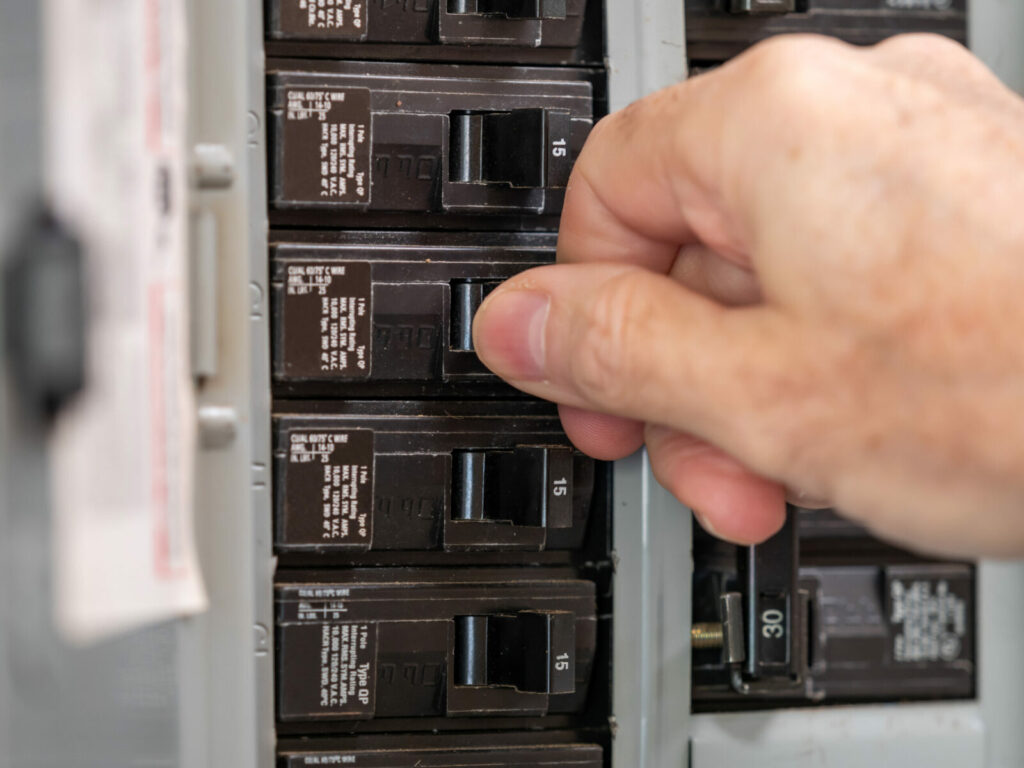
If your breakers trip often, your panel is out of space for new circuits, or you’re planning new loads like a Level 2 EV charger, it’s time to schedule an electrical panel inspection. In some homes, the U.S. Department of Energy notes an electrical panel upgrade may be needed to add new electrical equipment.
If you live in Nassau or Suffolk County—places like Farmingdale, Hicksville, Huntington, Babylon, Islip, Smithtown, or Riverhead—your home may have an electrical panel that was sized for a different time. Long Island’s cold winters and humid summers also mean more demand from heating, cooling, and dehumidification.
Universe Home Services helps Long Island homeowners get a clear, safety-first plan—without guessing.
Safety note— If you smell burning, see smoke, or hear loud buzzing at the panel, treat it as urgent and contact a licensed electrician. NFPA’s home electrical safety guidance stresses taking electrical warning signs seriously.
Signs and symptoms: when your panel may not be keeping up
These are common signs you need an electrical panel upgrade (or at least a professional evaluation):
- Breakers trip repeatedly during normal daily use.
- Burning smell, scorch marks, or melted plastic near the panel or breakers.
- Buzzing or crackling that’s new or persistent.
- Corrosion or moisture on or in the panel (common in damp basements and utility rooms).
- No room for new breakers when you’re trying to add circuits for a remodel or upgrade.
If you’re seeing any of these, the safest next step is an inspection—because the right fix depends on what’s actually causing the symptom.
Electrical panel capacity: what it means for today’s home
Electrical panel capacity is your home’s ability to safely handle how much power you use at once—and how much you plan to add.
One big driver on Long Island is EV charging. PSEG Long Island offers a Residential Charger Rebate Program for qualified customers who purchase and install a qualified Level 2 charger on or after January 1, 2026 (rebate amounts vary by eligibility).
That’s why homeowners often ask about upgrading from an “old electrical panel” before installing a charger, adding central air, or finishing a basement.
A simple, safe homeowner check (no tools):
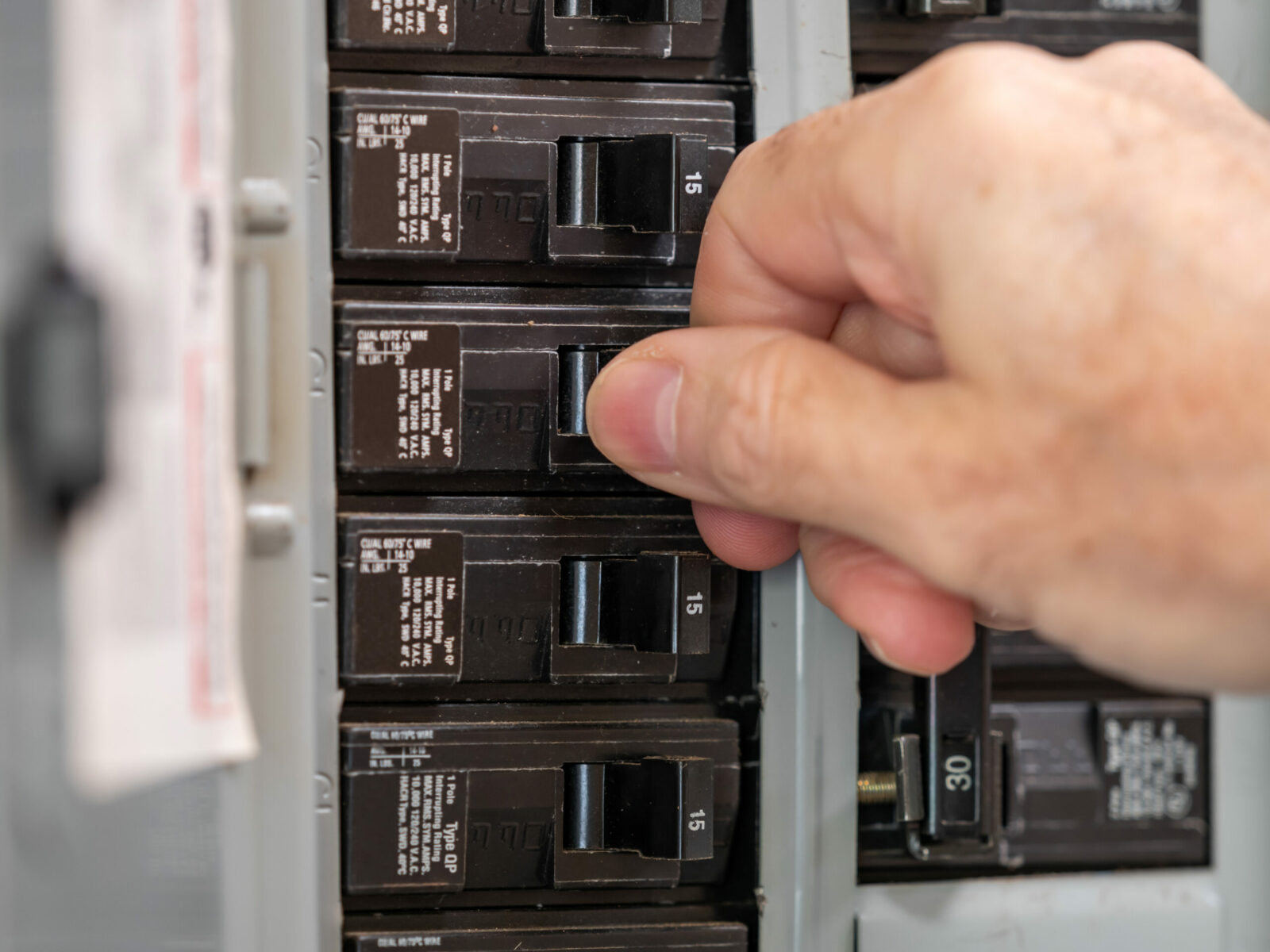
- Open the panel door without removing the cover and look for unused breaker spaces.
- If you’re relying on extension cords or power strips as a permanent solution, that’s a signal to talk to a pro about safer circuit capacity.
If you’re planning an EV charger or remodel, Universe can start with an electrical panel inspection to confirm capacity and safety, then outline clear options.
Electrical panel safety: what a professional inspection should include
A good electrical panel inspection should result in a plain-language plan. At a minimum, it should include:
- Checking for heat damage, corrosion, and loose connections (using safe testing methods)
- Reviewing breaker condition and clear circuit labeling
- Verifying whether planned loads (like EV charging) fit the home’s current service and panel capacity
Repair vs. electrical panel replacement: how to think about the decision
Sometimes the best solution is a focused electrical panel repair. Other times, electrical panel replacement is the safer, longer-term move.
A repair may make sense when:
- The panel is in good condition and properly sized
- The issue is isolated (one breaker, one circuit, one connection)
Replacement is more likely when:
- There’s heat damage or significant corrosion at the panel
- The panel is out of space and you need new circuits for your home’s needs
- You’re adding major loads and the current setup can’t support them safely
Electrical panel requirements on Long Island: permits, inspections, and utility specs
Upgrading an electrical panel on Long Island involves more than just replacing equipment—it requires permits, inspections, and coordination with your local municipality and utility provider. Understanding these requirements helps homeowners avoid delays, code violations, and safety issues during the upgrade process.
Permits for Electrical Panel Upgrades
In most Long Island municipalities, a permit is required for electrical panel replacements, service upgrades, and meter work. These permits are typically handled by a licensed electrician, not the homeowner. Local building departments in towns like Hempstead, Oyster Bay, Brookhaven, and Islip require permits to ensure all work meets current electrical and safety codes.
While some areas may allow homeowners to pull permits for minor work, panel upgrades and service changes usually require a licensed professional to file the application, coordinate approvals, and manage the process from start to finish.
Why Working With a Licensed Electrician Matters
Because Long Island towns have strict permitting and inspection requirements, working with a licensed electrician is essential for a smooth upgrade. A qualified professional will:
- Pull the correct permits
- Ensure the installation meets local and national codes
- Coordinate inspections and utility requirements
- Help avoid delays, fines, or failed inspections
For most homeowners, this means you won’t need to navigate the permit process yourself—the electrician manages it on your behalf.
Cost factors on Long Island: what drives pricing
Instead of chasing a single price, compare bids using the same scope. Common cost drivers include:
- Required capacity and circuit additions for planned loads (like EV charging)
- Safety corrections (heat damage, corrosion, loose connections)
- Town permit/inspection steps and scheduling
- Utility specs/documentation requirements for service work
When to call a professional on Long Island
Call a licensed electrician if:
- You have safety warning signs (burning smell, buzzing, corrosion, heat damage)
- You’re planning EV charging or other new large electrical loads
- You’re out of breaker space or dealing with frequent trips
If you want clear next steps, book an electrical panel inspection with Universe. You’ll get a straightforward explanation of what your panel can safely support and whether you need a repair, an electrical panel replacement, or an upgrade plan.
Frequently Asked Questions
Homeowners across Long Island, Nassau County, and Suffolk County often ask about electrical panel upgrades, permits, and warning signs of electrical issues. These frequently asked questions explain when a panel upgrade may be needed, what the process involves, and how electricians evaluate electrical capacity and safety.
What are the biggest signs you need an electrical panel upgrade?
The biggest signs you need an electrical panel upgrade include frequent breaker trips, burning smells, buzzing sounds, corrosion, or heat damage near the panel. In many Long Island homes, these warning signs often indicate an overloaded or aging electrical system, especially when adding high-demand equipment like EV chargers, heat pumps, or modern appliances.
Do I need a permit to replace an electrical panel on Long Island?
Yes, you typically need a permit to replace an electrical panel on Long Island. For most Nassau County and Suffolk County municipalities, panel replacements, service upgrades, and meter work must be approved by the local building department and inspected to confirm the installation meets electrical and building code requirements. Most contractors and licensed electricians will pull these permits for your project.
How do I know if my electrical panel has enough capacity?
You know your electrical panel has enough capacity if it can safely handle your home’s total electrical load without overloading circuits. For many Long Island homeowners, an electrician can calculate the load based on service size, current circuit usage, and planned additions such as EV chargers, heat pumps, or new appliances.
Can you repair an old electrical panel, or do you need to replace it?
An old electrical panel can sometimes be repaired, but replacement is often recommended when the panel shows corrosion, heat damage, outdated components, or limited circuit capacity. In older Long Island homes, electricians often recommend upgrades to improve safety and support modern electrical demands.
What should I do if I smell burning near my electrical panel?
If you smell burning near your electrical panel, treat it as a potential electrical safety issue and contact a licensed electrician immediately. Homeowners on Long Island should reduce use of the affected circuits if it is safe to do so, and if you see smoke, sparks, or active electrical arcing, leave the area and contact emergency services.